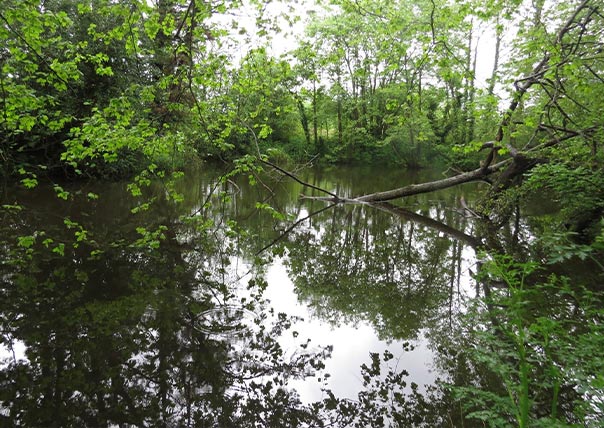
The Highland (humid) Zone is defined by the lush evergreen forest and scalesia trees as tall as 10m (33ft) that thrive in the mist.
Humid areas are much wider on the southern or windward sides, at altitudes of 300-700m (1000-2300ft).
At the highest elevations, the moist, dense forest turns into treeless upland areas covered with ferns and grasses.
The Galápagos Islands are relatively young in the Earth’s overall geological time line, and their formation is an ongoing process.
The region is still volcanically active, with over 50 eruptions recorded since discovery of the islands in 1535.
The most recent eruption of Cerro Azul on Isabela began May 28, 2008, followed by an eruption on the westernmost island, Fernandina, in April 2009.
Geologists generally use two interconnected theories to explain the islands’ formation.
The Plate Tectonics Theory holds that the earth’s crust consists of several rigid plates that, over time, move relative to one Geologists generally use two interconnected theories to explain the islands’ formation.
The Plate Tectonics Theory holds that the earth’s crust consists of several rigid plates that, over time, move relative to one another over the surface of the earth.
The Galápagos lie on the northern edge of the Nazca Plate (which drifts to the southeast), close to its junction with the Cocos Plate (which drifts to the north).
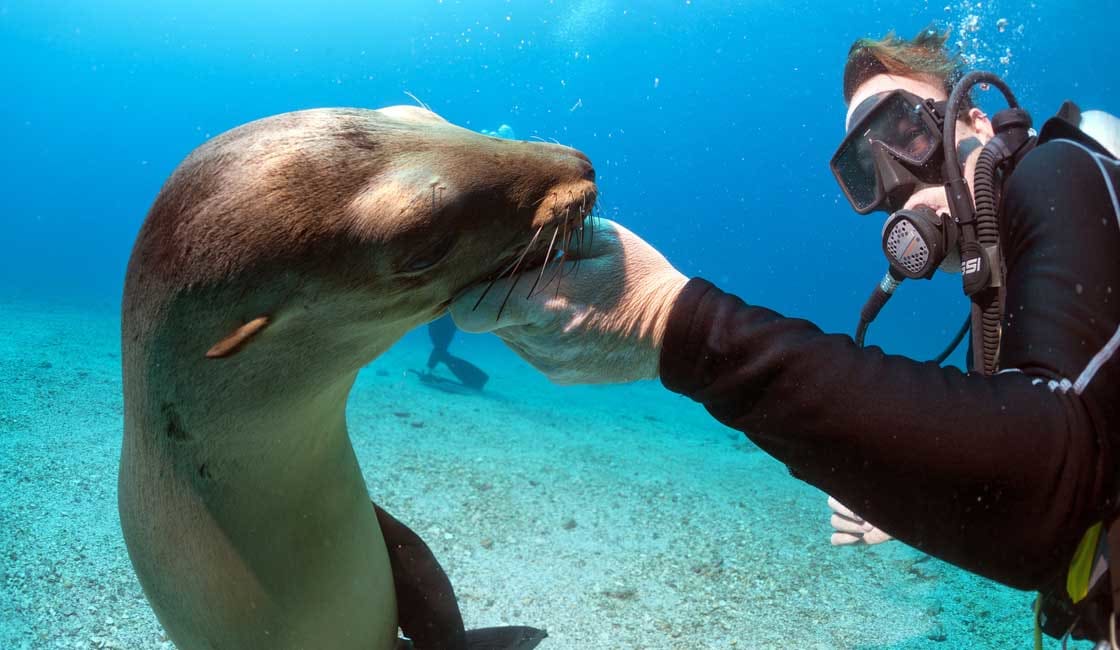
Those same geological forces drive the cold currents that bring whale sharks and hammerheads — find out when in our guide to the best time to dive the Galapagos.