Galapagos Travel Basics

| Updated on July 25, 2026

This article provides the detailed, practical information that is useful to anyone planning a trip to the Galápagos Islands.

As a general rule, changes in the Galápagos can occur daily and there is often no way to predict them until they happen.

National government elections can bring in a leader with a different agenda. The Director of the Galápagos National Park and the Galápagos Marine Reserve can be replaced unexpectedly, leaving projected programs up in the air or changing existing rules and regulations.

Everyone familiar with the Galápagos knows that what is true today may not be true tomorrow, and they must keep their feelers out at all times to be ready to adapt as modifications occur.

Likewise, visitors must always be aware of the real possibility of last minute changes.

Nevertheless, everything usually gets resolved in the end and the Galapagos is one of the most fascinating places on earth. Tourists visit the Galápagos for a variety of reasons, including: diving, birding, general nature hikes, photography, and scientific research.

Most tourists opt for one of three basic kinds of tours: Day trips returning to the same hotel each night, hotel-based trips staying in lodgings on different islands, and live-aboard yachts/ships.

Because of recent Park Rules and restrictions, there is a great deal more emphasis on land-based tours, however to get the most out of your time in Galapagos, I would recommend a yacht/ship based trip.

When planning a trip to Galapagos, many people will use the services of an experienced travel company that truly understands Galapagos rather than attempting to book their trip on their own.

Many companies will claim to be experts in Galapagos when in reality they have little experience with the destination and no established connections in Ecuador.

The services of these companies are free to their clients as they are all paid a commission from the various operators in Galapagos.
Related Articles
Practical tips for your Galapagos trip: airport steps in Guayaquil, what to bring, seasons and island rules — plus how divers reach Darwin and Wolf.
What to wear in the Galapagos: light layers, a windbreaker and serious sun protection — plus the right wetsuit for every diving season.
What does a Galapagos liveaboard really cost? See what's included, what's extra, and a full sample budget for your 7-night trip.
Tiburon Explorer’s itinerary

8 days/ 7 nights

Saturday: Baltra
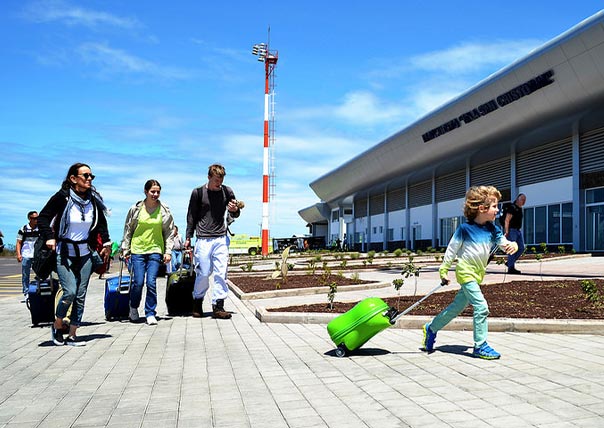
Guests fly to the Galapagos Islands from Mainland Ecuador, arriving in the late morning (please make sure to land in Baltra not later than 11:30am). The dive guides will meet the guests at the airport between 11:00 am and 12 pm and escort them to the Galapagos liveaboard, Tiburon Explorer®. Guests will board the vessel, have lunch, organize equipment and listen to the safety briefings.

Sunday: Baltra North (2 Dives)
Equipment check, 7:00 and 10:00 dives.
Sightings include rays and schools of fish.
Afternoon North Seymour land visit. Walk the path around North Seymour Island to see the large colonies of Blue Footed Boobies and Frigate Birds. Sighting of Sea Lions and Marine Iguanas are also common. Depart for Cabo Douglas (11 hours).

Monday: Cabo Douglas (1-2 Dives)
Sightings include marine iguanas. Transit to Punta Vicente Roca.

Punta Vicente Roca (1-2 Dives)
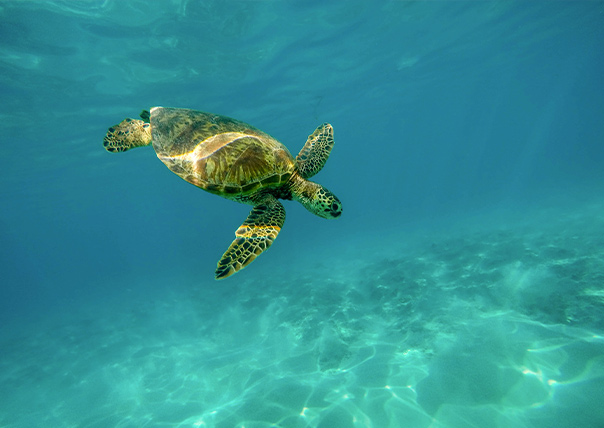
Sightings often include mola mola, turtles and macro life. Transit to Wolf (10 hours).

Tuesday: Wolf Island (4 Dives)
6:30, 10:30, 2:00 and 4:30 dives. Sightings often include hammerheads, whale shark (in season), eagle rays, sea lions, Galapagos sharks and silky sharks.

Wednesday: Darwin Island (4 Dives)
6:30, 10:30, 2:00 and 4:30 dives.
Sightings often include hammerheads, whale sharks (in season) eagle rays, Galapagos sharks and silky sharks. 
Transit to Wolf Island.

Thursday: Wolf Island (3 Dives)
6:30, 10:30 and 1:00 dives.
Sightings often include hammerheads, whale sharks (in season), eagle rays, Galapagos sharks and silky sharks. Transit to Cousin’s Rock (20+ hours).

Friday: Cousins Rock (2 Dives)
6:30 and 9:30 dives.
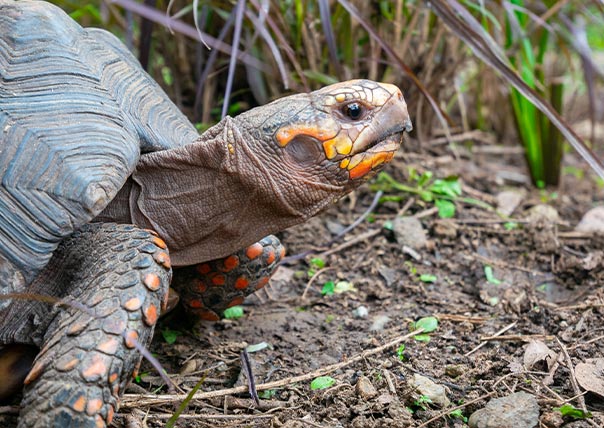
This is a great macro diving with an excellent chance of seeing sea horses, sea lions and eagle rays. Lunch will be served while transiting to Santa Cruz (3 hours). Travel by bus to the Santa Cruz Highlands to visit the giant tortoises in their natural habitat. Transfer to the town of Puerto Ayora. Dinner on your own in Puerto Ayora. Return to the Tiburon Explorer at 8:30pm.

Saturday: Baltra
Depart the vessel by 9 am. Transfer to the airport.