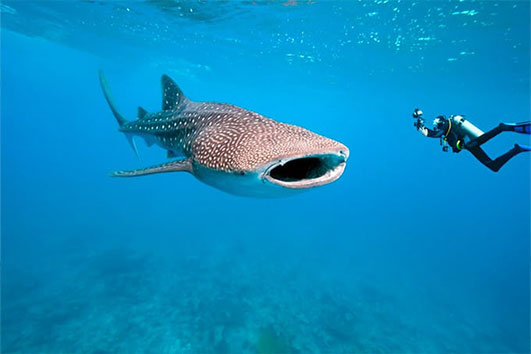
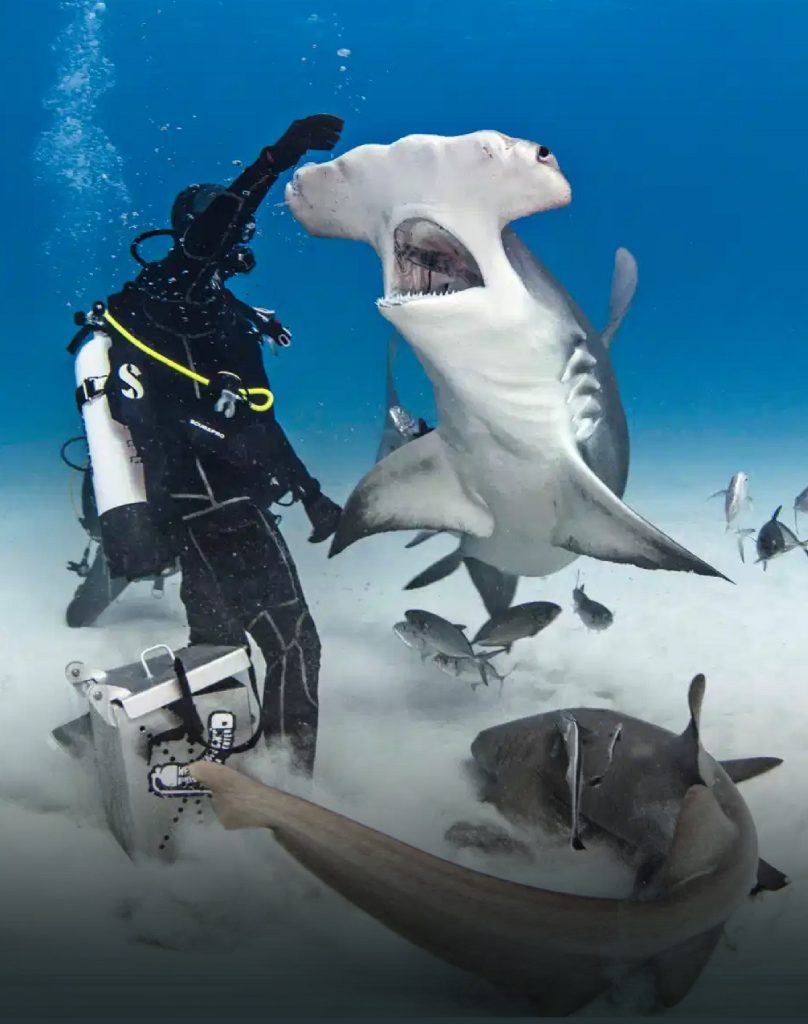
The Galapagos hammerhead sharks, scientifically known as Sphyrna lewini, are one of the most emblematic and fascinating species that inhabit the waters of this unique archipelago. These imposing marine predators have captured the attention of scientists, divers, and marine life enthusiasts alike due to their unique characteristics, intriguing behavior, and crucial role in the marine ecosystem of the region.
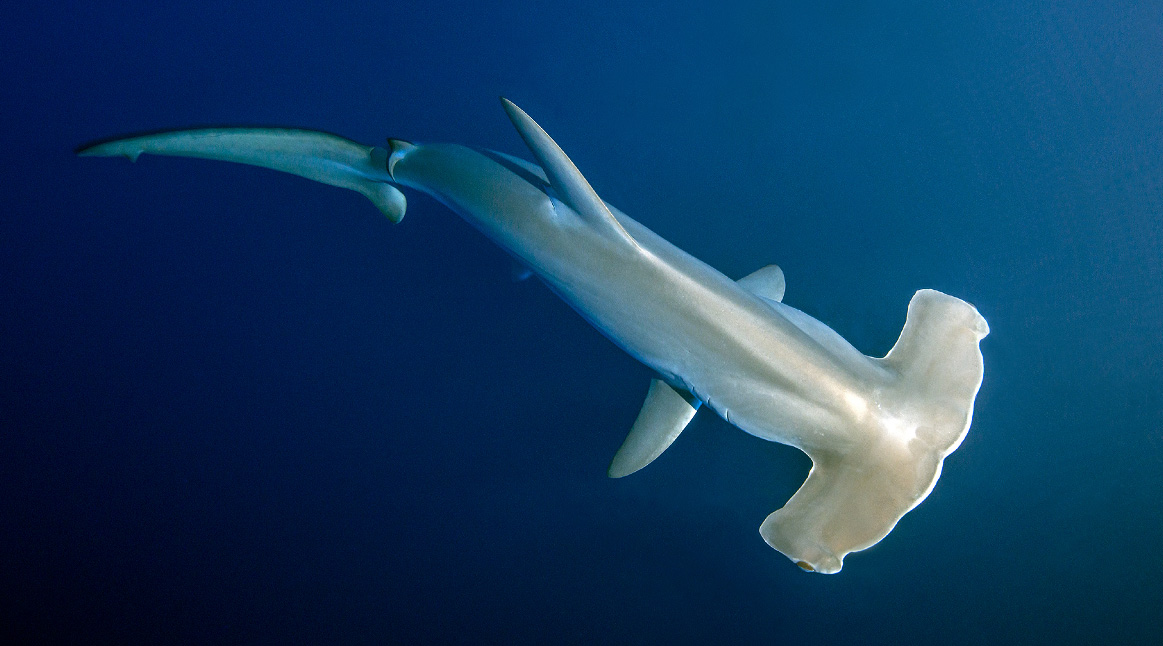
Characterized by their distinctive hammer-shaped head, hammerhead sharks are among the most easily recognizable species in the marine world. The peculiar structure of their head not only gives them an unmistakable appearance but also serves practical functions. Their eyes are situated at the ends of the «head,» providing them with greater panoramic vision and aiding them in the search for prey in their habitat. Furthermore, this unique shape also allows hammerhead sharks to have better detection of the electric signals emitted by their prey, such as fish and rays, making them highly effective hunters.
The Galapagos hammerhead sharks are a prominent presence in these waters and can be found in a variety of environments, from shallow waters to depths of up to 600 feet. While they can be solitary at times, they also gather in large schools in specific locations, such as the Darwin and Wolf islands, especially when the Humboldt Current is stronger. These sites have become gathering points for marine life observers, where they can witness the majesty of these creatures in their natural habitat.
The Galapagos region offers an ideal habitat for hammerhead sharks due to the rich marine biodiversity found in these waters. Feeding mainly on fish, including other shark species and rays, hammerhead sharks play an essential role in balancing the marine food chain. Their presence regulates the population of their prey and helps maintain the overall health of the marine ecosystem.
Hammerhead sharks are not only important from an ecological standpoint but also an invaluable attraction for diving and marine life observation enthusiasts. The possibility of coming face to face with these majestic predators in their natural environment is an experience often described as thrilling and transformative. Additionally, these prehistoric creatures arouse the curiosity of scientists and conservationists who seek to better understand their behavior, migration, and their relationship with the surrounding ecosystem.
The Hammerhead Shark
Species Inhabiting Galapagos: Sphyrna Lewini
The fascinating hammerhead sharks that dominate the waters of the Galapagos belong to the scientific species Sphyrna lewini. These impressive marine predators are a subspecies of hammerhead sharks known as the «Pacific hammerhead» or «widehead hammerhead.» Their scientific name, Sphyrna lewini, refers to their characteristic hammer-shaped head and their discoverer, the German naturalist Johannes Peter Müller, and the Swiss zoologist Jakob Henle, who named the species in honor of the zoologist Leonard Hess Stejneger.
Characteristics and Description
The Pacific hammerhead shark, Sphyrna lewini, is one of the largest members of the hammerhead shark genus. Adult specimens can reach lengths of 4 to 6 meters (13 to 19 feet) and weigh around 230 to 350 kg. Their distinctive hammer-shaped head is their most distinguishing feature and is believed to offer key adaptive advantages. The eyes located at the ends of the head provide a panoramic field of vision, facilitating the search for prey and the detection of predators.
The coloration of the Pacific hammerhead shark varies based on age and environment. Juveniles tend to be darker and may have spots or stripes on their bodies, which helps them camouflage in their habitat. Adults, on the other hand, have a silvery or olive-gray tone on the upper part of their body and a white tone on the underside.
Size and Longevity:
As one of the larger subspecies of hammerhead sharks, Sphyrna lewini can reach notable lengths. Males tend to be smaller than females, with an average length of around 3.7 meters, while females can exceed 5 meters. As for longevity, these sharks are estimated to live up to 30 years under favorable conditions.
Habitat and Distribution:
This subspecies of hammerhead sharks is native to the Pacific Ocean, and its distribution range extends from the eastern coast of North America to South America and the Galapagos Islands. It is in the latter where they play a crucial role in the marine ecosystem. Pacific hammerhead sharks prefer tropical and temperate waters and can be found in a variety of habitats, from coastal waters to deeper oceanic zones.
Behavior and Ecology:
Pacific hammerhead sharks are apex predators in their habitat, occupying the top level of the marine food chain. Their diet primarily consists of fish, including other smaller shark species and rays. These sharks are known for their seasonal migration in search of food and mating conditions. During certain times of the year, they can form large schools, especially in nutrient-rich waters.

Despite their imposing appearance, the Pacific hammerhead shark rarely poses a threat to humans. They are curious but generally non-aggressive creatures, and encounters with divers and swimmers are often exciting and respectful observations. The conservation of this species is of utmost importance to maintain the balance of the Galapagos marine ecosystem and ensure the region’s biodiversity.
Hammerhead Shark Sightings in Galapagos:
Islands and Seasons of Encounter
The Pacific hammerhead sharks (Sphyrna lewini) are one of the most emblematic and captivating species that inhabit the crystal-clear waters of the Galapagos Islands. These majestic marine predators are distributed throughout the archipelago, but certain islands and times offer exceptional opportunities to observe them in their natural habitat.
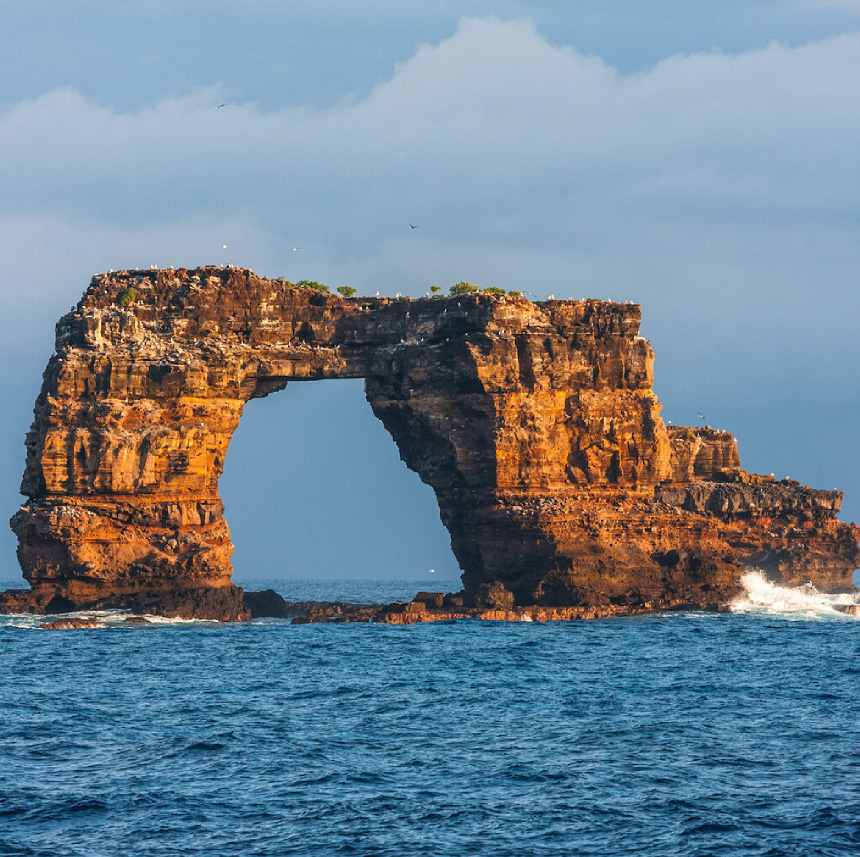
Darwin and Wolf Islands: The Epicenter of Sightings
When it comes to spotting hammerhead sharks in Galapagos, there are no two more renowned islands than Darwin and Wolf. These two remote islands, located at the northernmost tip of the archipelago, are considered the epicenter of hammerhead shark sightings and are a dream come true for diving and marine life enthusiasts.
Darwin and Wolf are famous for attracting large congregations of hammerhead sharks, and it’s common for divers to have the chance to descend among hundreds of these impressive creatures. The nutrient-rich waters surrounding these islands act as a magnet for hammerhead sharks, which gather here in search of food and mating conditions. During the peak sighting season, which usually extends from June to December, the cold waters of the Humboldt Current bring forth a feast of marine life that attracts these predators.
Sighting Season: From June to December
The optimal window for hammerhead shark sightings in Galapagos opens up from June to December. During this time, the cold waters of the Humboldt Current converge with the warm tropical waters, creating an ideal environment for diverse and abundant marine life. This surge of life draws hammerhead sharks in large numbers, and their presence at dive sites like Darwin and Wolf is simply spectacular.
Hammerhead sharks are not the only marine inhabitants at their peak during these months. Other species like manta rays, whale sharks, and a variety of tropical fish are also frequently spotted, making this time one of the most exciting for exploring the waters of Galapagos.
Conservation and Ecological Importance
The observation of hammerhead sharks in Galapagos provides not only an unforgettable experience for divers and marine life enthusiasts but also plays a crucial role in the conservation of these magnificent creatures and their environment. Galapagos is a wildlife sanctuary and a protected area, and the presence of hammerhead sharks in its waters is an indicator of the health and balance of the marine ecosystem.
As hammerhead sharks face threats like overfishing and habitat degradation, their sighting in Galapagos becomes even more significant. Responsible and sustainable ecotourism, which allows visitors to observe these creatures in their natural environment without disturbing their behavior, contributes to awareness and the preservation of these endangered species.
An Unforgettable Experience
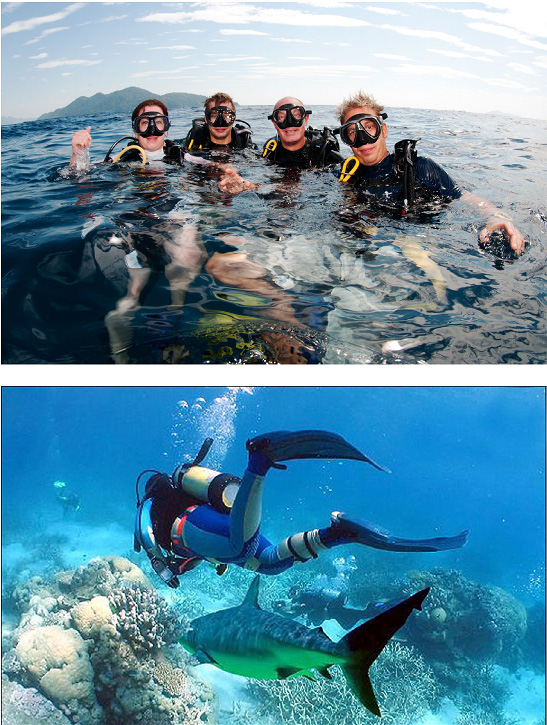
The sighting of hammerhead sharks in Galapagos is an unforgettable experience that leads adventurers to immerse themselves in an underwater world full of mystery and wonder. The waters of Darwin and Wolf become a stage for encountering these majestic predators, and the opportunity to witness nature in its raw and beautiful form is truly unique.