Due to the tropical environment of the Galapagos island in Ecuador, informal attire is most common for visitors and residents alike. Casual or sport clothing in cotton and other light fabrics are the rule during the day.
Depending on your preferences, you can still opt for the latest fashions but keep in mind; these are tropical islands with a tropical and humid environment.
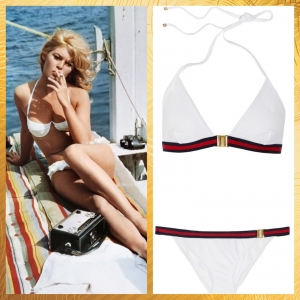
Jeans, shorts, Polo tee shirts, sandals, sneakers and boat shoes are norm and are perfectly acceptable at most establishments. While Gucci bikinis, or other swimwear are perfect for the beach or for a refreshing sail on the crystal blue ocean that surrounds the landscape, but it’s best to the swimwear at the beach, and cover up a little more while walking through town.
In the evenings, women tend to kick it up a bit opting for a little more formal attire when visiting the restaurants or clubs. As for the men, ties and jackets are rarely seen. Dress pants such as Dockers with a nice shirt are perfectly acceptable. Go Tommy Bahama!
Shirts, tops & dresses for women, fresh tunics & dresses for casual dinners and the beach. Jumpsuits, shorts & pants for running around town.
Topless swimming is not a common practice at pools and beaches and may be frowned upon at some locations. It’s better to check with the facility first, or keep this activity for more remote locations.
A Panama hat, Tom Ford sunglasses and sunscreen are recommended during the day for protection from the abundant sunshine you’ll enjoy.
Diving with us? Our Galapagos diving guide covers wetsuit thickness, water temperatures and the rest of your underwater packing list.
Frequently Asked Questions About Packing for the Galapagos
What clothes should I pack for the Galapagos?
Light, casual clothing in cotton and other breathable fabrics: shorts, T-shirts and swimsuits cover most days. Add a windbreaker or light jacket, because winds at sea can be cool.
What should divers pack for a Galapagos liveaboard?
The vessel provides tanks, weights and belts, and rental equipment is available on board. Bring a well-fitted mask and the right exposure protection: a 7mm wetsuit from June to November or a 5mm from December to May
Is there a luggage limit on flights to the Galapagos?
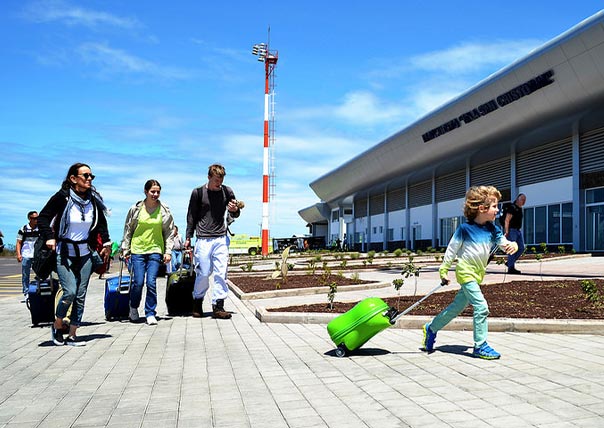
Yes — flights to the islands allow 23 kilos of checked luggage plus a 5-kilo hand bag, so pack light and leave room for your dive gear.
Do I need formal clothes in the Galapagos?
No. Island life is completely casual: ties and jackets are rarely seen, and smart-casual works everywhere in the evenings.