What kind of clothes should I take to Galapagos?

| Updated on July 26, 2026
What kind of clothes should I take to Galapagos?

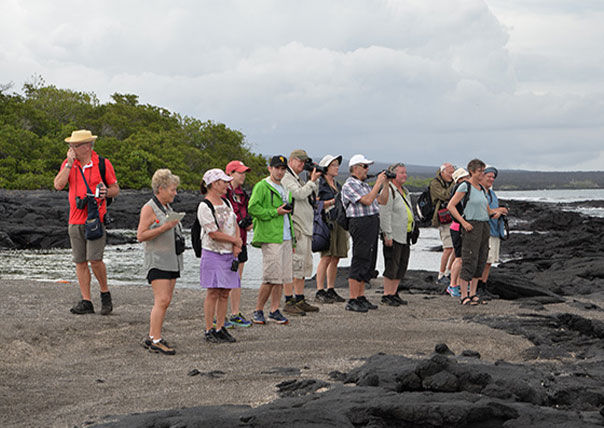
Although the archipelago is in the Ecuador and the air temperature tends to be warm, the water breeze can cool the Air. In addition to shorts and t-shirts, bring long-sleeved and light-weight shirts, long trousers, a sweater or light sweatshirt, and a windbreaker, a light jacket or a poncho. 

These also offer intense sun protection on land trips as well as comfort if you don’t enjoy the air conditioning. Wear comfortable shoes, don’t forget your bathing suit (of course), and bring a wide-brimmed hat, preferably one that covers the sides and back of the NECK. 

A photographer’s vest is very useful. The lifestyle is completely casual on the islands, so you won’t need that tuxedo or evening dress.

Heading underwater too? Our complete Galapagos diving guide covers wetsuits, water temperatures and what you’ll wear beneath the surface.

Frequently Asked Questions About What to Wear in the Galapagos

Shorts and T-shirts plus light layers: long-sleeved shirts, long trousers, a sweater and a windbreaker for cool sea breezes. The lifestyle is completely casual, so leave the tuxedo and evening dress at home.

A 7mm wetsuit from June to November, when the water runs 60–70°F, and a 5mm from December to May, when it warms to 65–75°F.

A wide-brimmed hat that covers the neck, sunglasses and strong sunscreen. The equatorial sun is intense on land and between dives.

Related Articles
Deep ocean around the Galapagos: waters over 300 m deep just 20 km offshore, submerged volcanoes and the Carnegie Ridge stretching to the mainland.
What flamingos and marine iguanas eat in the Galapagos: brine shrimp, algae, and the coastal food web that supports the islands’ iconic wildlife.
Darwin and Wolf are the Galapagos' best dive sites: schooling hammerheads, whale sharks and the ocean's greatest shark diving — reached only by liveaboard.
Tiburon Explorer’s itinerary

8 days/ 7 nights

Saturday: Baltra
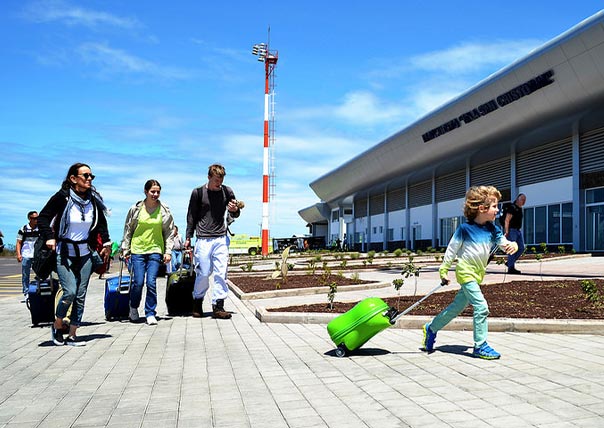
Guests fly to the Galapagos Islands from Mainland Ecuador, arriving in the late morning (please make sure to land in Baltra not later than 11:30am). The dive guides will meet the guests at the airport between 11:00 am and 12 pm and escort them to the Galapagos liveaboard, Tiburon Explorer®. Guests will board the vessel, have lunch, organize equipment and listen to the safety briefings.

Sunday: Baltra North (2 Dives)
Equipment check, 7:00 and 10:00 dives.
Sightings include rays and schools of fish.
Afternoon North Seymour land visit. Walk the path around North Seymour Island to see the large colonies of Blue Footed Boobies and Frigate Birds. Sighting of Sea Lions and Marine Iguanas are also common. Depart for Cabo Douglas (11 hours).

Monday: Cabo Douglas (1-2 Dives)
Sightings include marine iguanas. Transit to Punta Vicente Roca.

Punta Vicente Roca (1-2 Dives)
Sightings often include mola mola, turtles and macro life. Transit to Wolf (10 hours).

Tuesday: Wolf Island (4 Dives)
6:30, 10:30, 2:00 and 4:30 dives. Sightings often include hammerheads, whale shark (in season), eagle rays, sea lions, Galapagos sharks and silky sharks.

Wednesday: Darwin Island (4 Dives)
6:30, 10:30, 2:00 and 4:30 dives.
Sightings often include hammerheads, whale sharks (in season) eagle rays, Galapagos sharks and silky sharks. 
Transit to Wolf Island.

Thursday: Wolf Island (3 Dives)
6:30, 10:30 and 1:00 dives.
Sightings often include hammerheads, whale sharks (in season), eagle rays, Galapagos sharks and silky sharks. Transit to Cousin’s Rock (20+ hours).

Friday: Cousins Rock (2 Dives)
6:30 and 9:30 dives.
This is a great macro diving with an excellent chance of seeing sea horses, sea lions and eagle rays. Lunch will be served while transiting to Santa Cruz (3 hours). Travel by bus to the Santa Cruz Highlands to visit the giant tortoises in their natural habitat. Transfer to the town of Puerto Ayora. Dinner on your own in Puerto Ayora. Return to the Tiburon Explorer at 8:30pm.

Saturday: Baltra
Depart the vessel by 9 am. Transfer to the airport.