The Galapagos is home to some of the greatest dive sites on the planet, and the very best of them sit far from the inhabited islands, out where the big animals gather. From the shark-filled waters of Darwin and Wolf in the north to the manta rays of Cabo Marshall and the marine iguanas of the west, here are the sites that make the Galapagos a bucket-list destination — and what you can expect to see at each.
Almost all of the sites below are reached only by liveaboard, which is what lets you string these far-flung islands together over a single week. Here is where to dive, and why each one is special.
The best diving in the Galapagos, at a glance
The Galapagos’ top dive sites fall into three areas. In the far north lie Darwin and Wolf, the remote islands famous for huge schools of hammerheads and seasonal whale sharks — the undisputed crown jewels. To the west, around Isabela and Fernandina, are cooler, nutrient-rich sites where you can dive with marine iguanas, mola mola and penguins. And between them sit superb sites like Cabo Marshall and Cousin’s Rock. All of the very best diving is reached by liveaboard, the only way to link these far-flung islands in one trip.
Darwin — the crown jewel
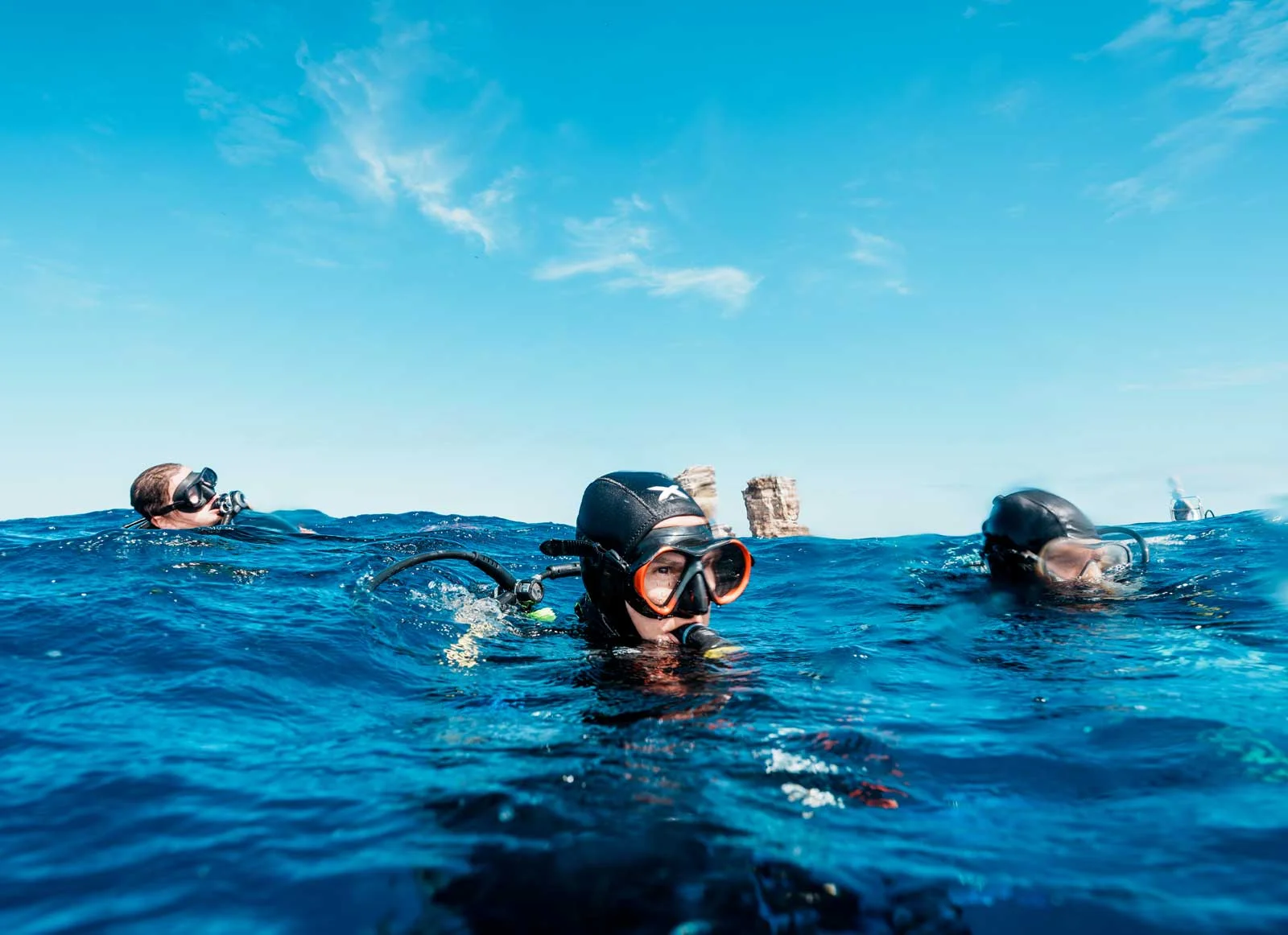
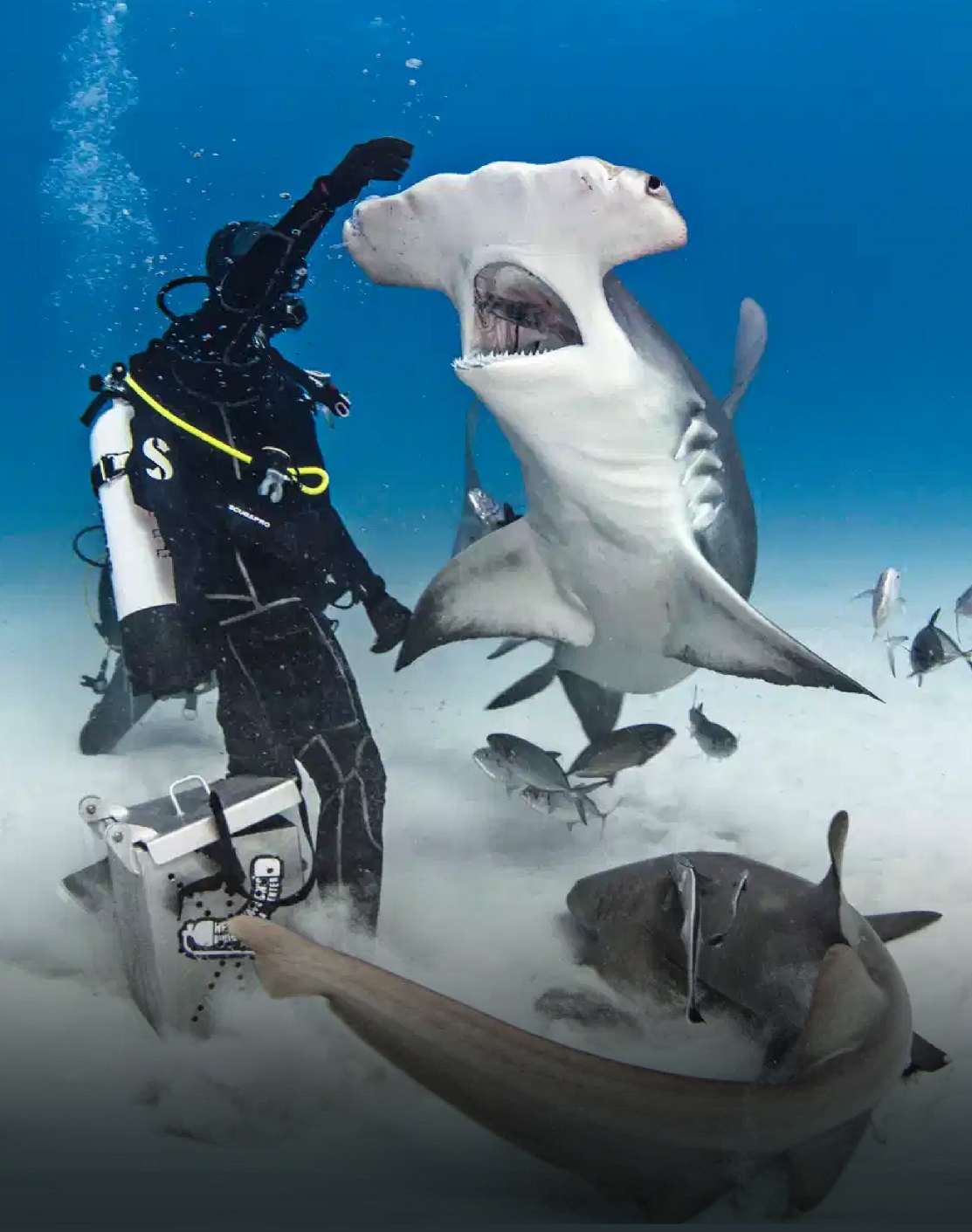
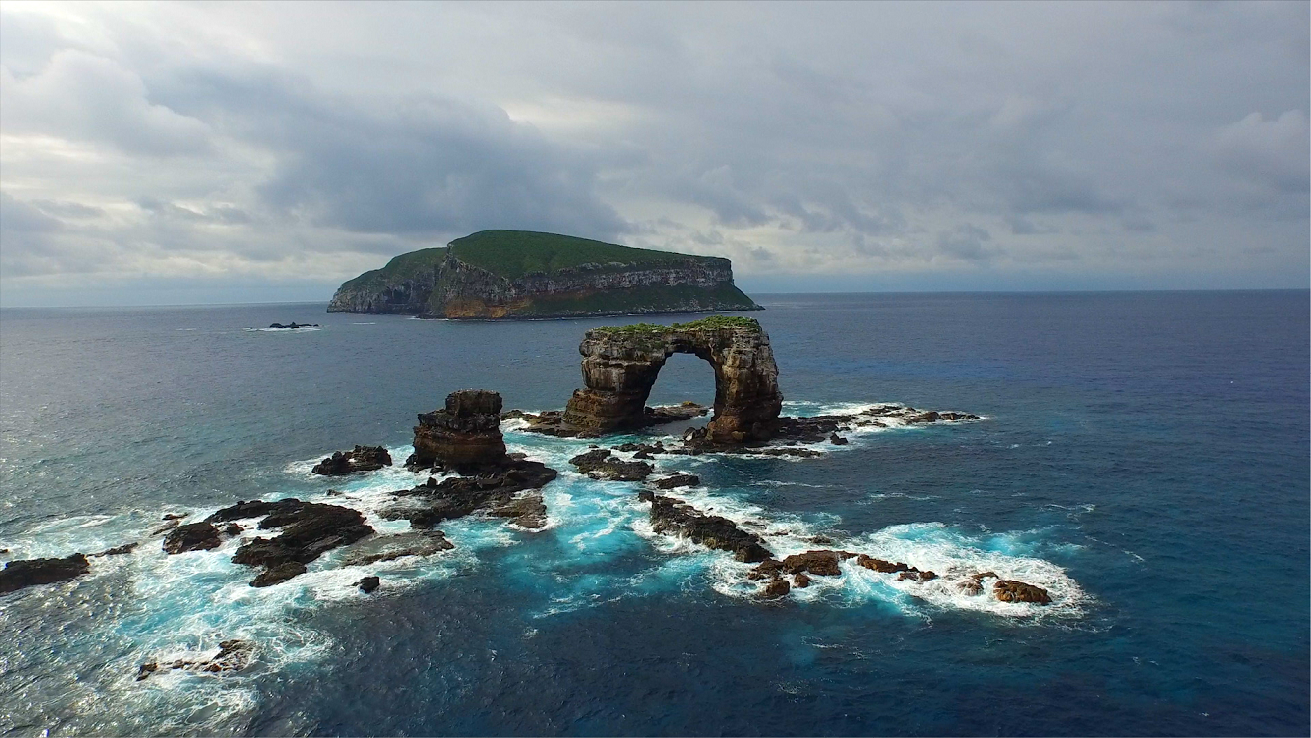
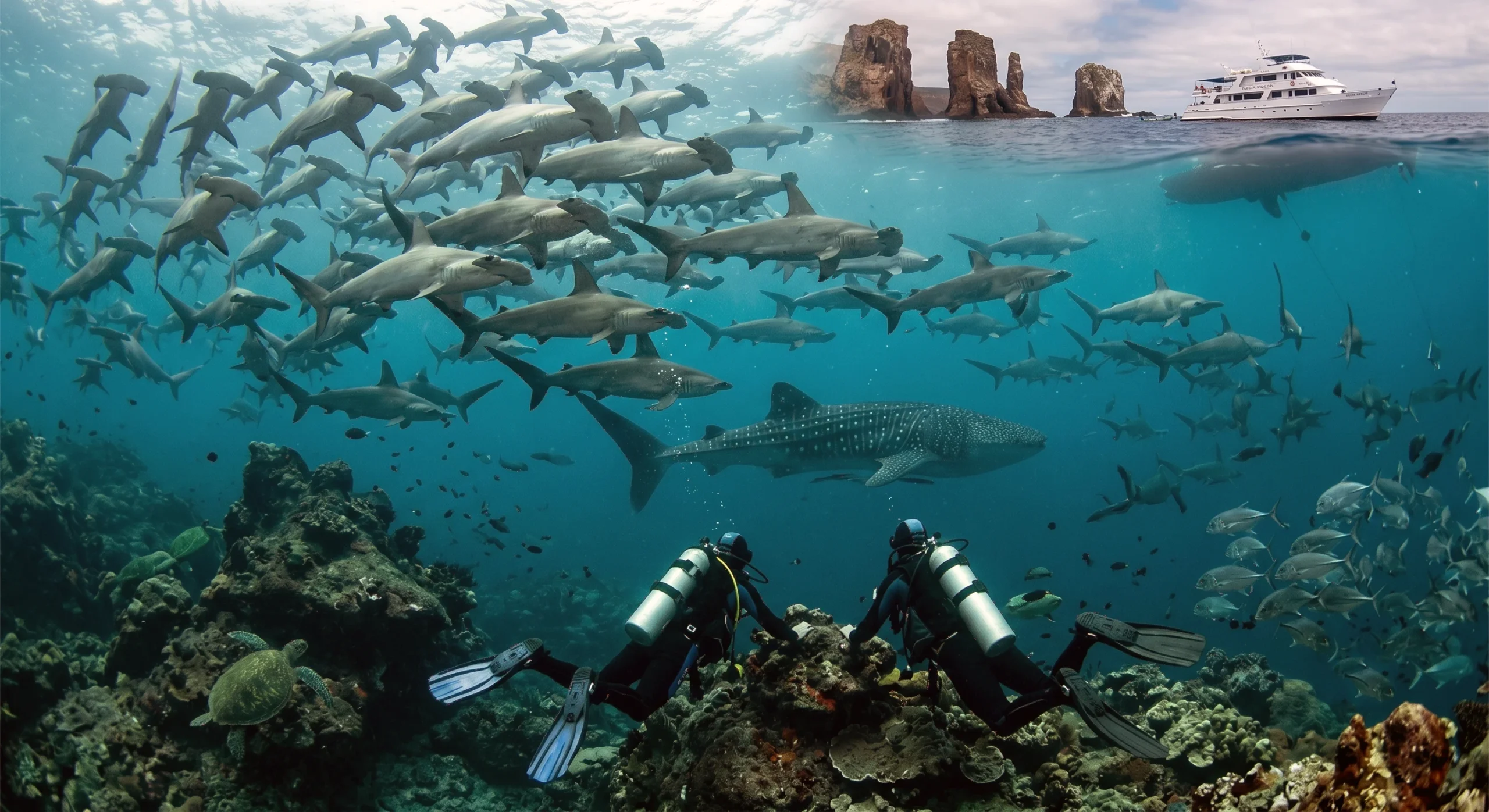
Darwin is, for many divers, the single best dive site in the world. The rock arch that once stood here, Darwin’s Arch, collapsed in 2021, but the site — now known as Darwin’s Pillars — is as breathtaking as ever. This is where hammerheads gather in their hundreds and, from June to November, whale sharks cruise past. Add Galapagos sharks, dolphins and clouds of fish, and you have diving that is almost impossible to top.
Wolf — sharks in every direction
A short way south of Darwin, Wolf delivers the same electric mix at sites like Shark Bay and The Landslide. Expect walls of schooling hammerhead sharks, Galapagos sharks, and — in season — whale sharks, all in fast-moving water alive with fish. Together, Darwin and Wolf are the reason experienced divers cross the world to dive the Galapagos. You can read all about Darwin and Wolf liveaboard diving in our dedicated guide.
Cabo Marshall — manta ray encounters
On the eastern side of Isabela, Cabo Marshall is famous for one thing above all: manta rays. Giant mantas and schools of mobula rays glide along the reef here, making it one of the best places in the Galapagos to share the water with these gentle giants, alongside turtles and reef fish.
The western islands: Cabo Douglas and Punta Vicente Roca
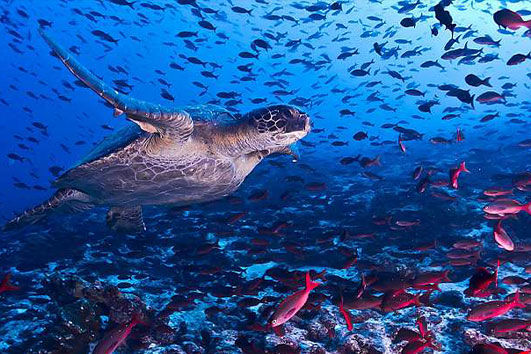
The west of the archipelago, around Fernandina and Isabela, is a different world — colder, richer and wonderfully strange. At Cabo Douglas you can watch marine iguanas grazing on algae underwater, a sight found nowhere else on Earth, along with flightless cormorants and Galapagos penguins. Nearby Punta Vicente Roca is the place to look for the bizarre mola mola, or ocean sunfish, as well as seahorses and green turtles in great numbers. These western sites are colder, so good exposure protection matters — see our Galapagos diving guide for what to expect.
Cousin's Rock — the perfect final dive
Often saved for the end of a trip, Cousin’s Rock is a beautiful sloping reef draped in black coral. It is a gentler, more colourful dive than the northern shark sites, with seahorses, nudibranchs, eagle rays and the occasional hammerhead — a lovely way to round off a week underwater.
Why the best sites need a liveaboard
Which sites shine in which season
The diving is excellent year-round, but the seasons shift the highlights. The cool season (roughly June to November) brings whale sharks to Darwin and the richest big-animal action across the north. The warm season (December to May) brings warmer water, calmer conditions and the best visibility, ideal for the western and central sites. For the full breakdown, see our guide to the best time to dive the Galapagos.
Dive these sites for yourself
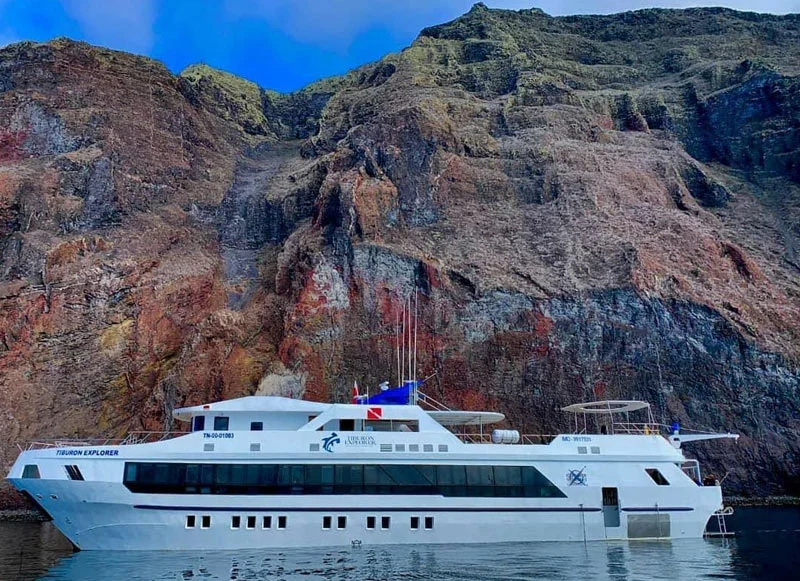
The only way to dive Darwin, Wolf and the western islands in a single trip is by liveaboard. Both of our boats run seven-night itineraries that link the very best sites in the archipelago, so you spend the week diving the places most divers only dream about.
Ready to dive the best of the Galapagos?
See what a week at Darwin and Wolf looks like, and choose between the Tiburon Explorer and the Humboldt Explorer.
Frequently asked questions about Galapagos dive sites
What are the best dive sites in the Galapagos?
The best are Darwin and Wolf in the far north, famous for schooling hammerheads and whale sharks, followed by sites like Cabo Marshall for manta rays, Cabo Douglas and Punta Vicente Roca in the west for marine iguanas, mola mola and penguins, and Cousin’s Rock. All of them are reached by liveaboard.
What is the best dive site in the Galapagos?
Darwin — now known as Darwin’s Pillars — is widely considered the best, and one of the best on the planet. It offers hundreds of schooling hammerheads and, from June to November, whale sharks. Wolf, just to the south, is a very close second.
Where do you see manta rays in the Galapagos?
Cabo Marshall, on the eastern side of Isabela, is the prime spot for giant manta rays and schools of mobula rays. It is a regular stop on liveaboard itineraries.
Can you dive with marine iguanas in the Galapagos?
Yes. At Cabo Douglas on Fernandina you can watch marine iguanas grazing on algae underwater, a behaviour seen nowhere else in the world, along with flightless cormorants and penguins. It is a western site reached by liveaboard.
Which Galapagos dive sites have the most sharks?
Darwin and Wolf, without question. They hold the largest schools of hammerheads in the archipelago, along with Galapagos sharks, silky sharks and seasonal whale sharks.
Can you dive all the best sites on one trip?
Yes. The best sites — Darwin, Wolf and the western islands — are far beyond the reach of day boats. A liveaboard is the only way to dive them and to combine them in a single trip.
Do you need a liveaboard to dive the best Galapagos sites?
For a keen diver, yes. The extra nights are what take you to Darwin and Wolf and add days of diving at the best sites. The value is in the access and the dive count, not just the number of days.