The Galapagos is one of the world’s great places to get in the water — and you don’t have to be a diver to share it with sea lions, turtles and penguins. Snorkeling here means easy, shallow encounters with some of the tamest, most curious wildlife on Earth. This guide covers what snorkeling in the Galapagos is like, what you’ll see, where to go, and how it compares to diving the islands.
Snorkeling is the most accessible way to meet the islands’ famous marine life. For the big animals the Galapagos is known for, though, you’ll want to dive — more on that below.
What snorkeling in the Galapagos is like
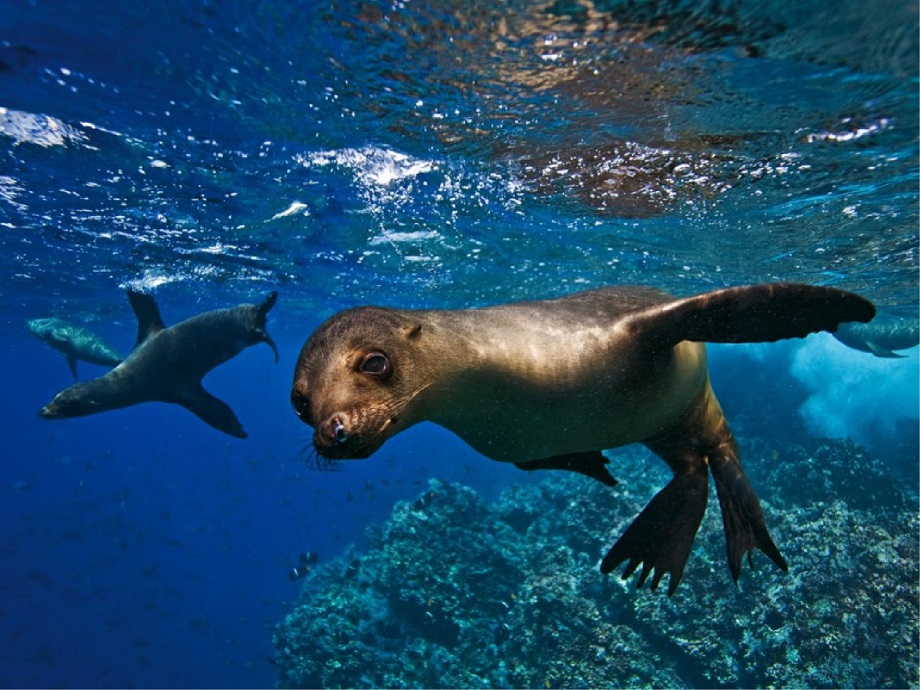
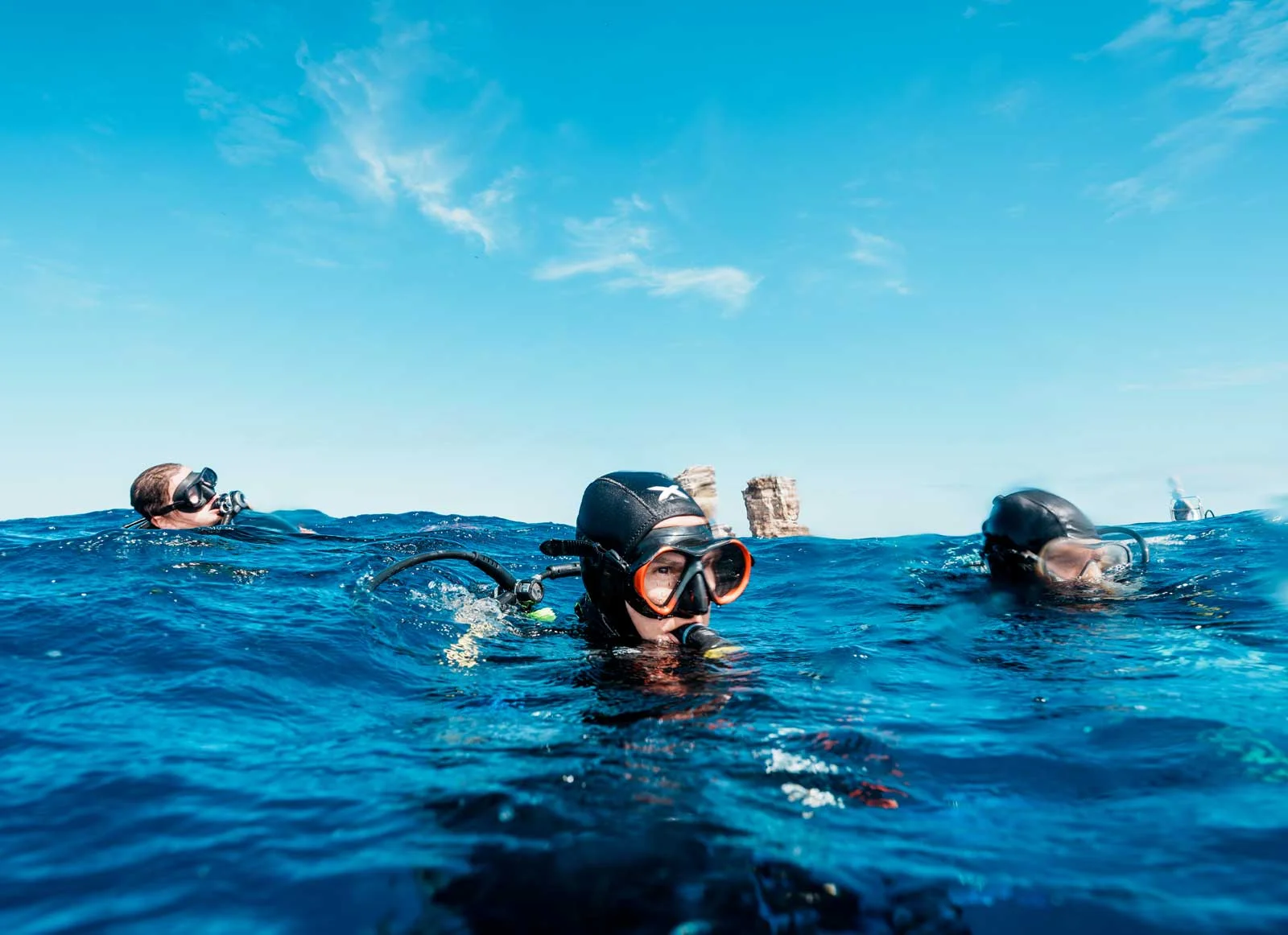
Snorkeling in the Galapagos is about close, easy encounters in shallow, sheltered water. Because the wildlife here has no natural fear of people, sea lions will twist and spin around you, turtles graze unbothered an arm’s length away, and penguins dart past like little torpedoes. You don’t need experience or special skills — just a mask, fins and a sense of wonder. It is one of the easiest and most rewarding ways to experience the islands’ marine life.
What you'll see while snorkeling
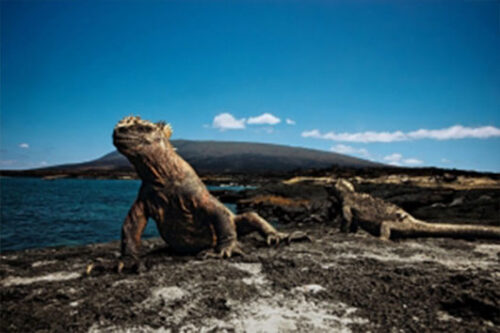
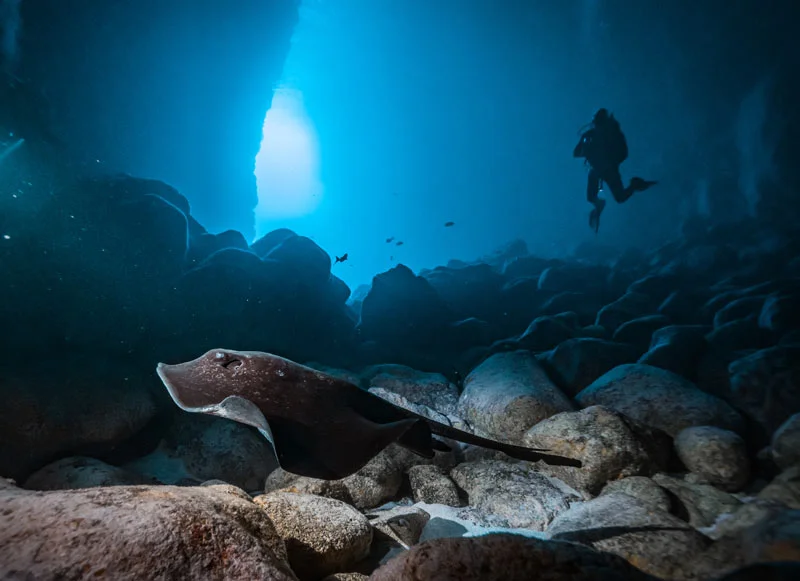
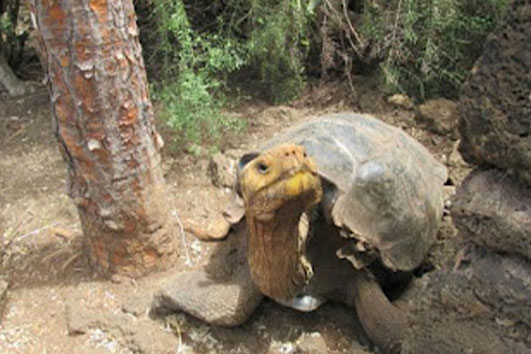
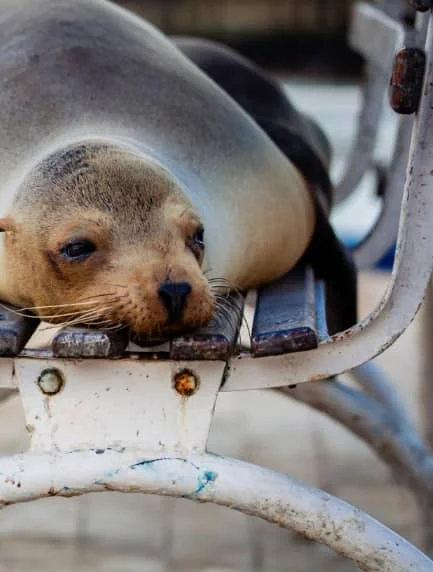
The shallows are full of life. Expect playful sea lions, green sea turtles, marine iguanas grazing on algae, and, if you’re lucky, Galapagos penguins and flightless cormorants. Rays glide along sandy bottoms, reef fish swarm the rocks, and white-tip reef sharks often rest in the shade below. It is a different cast of characters from the deep-water dive sites, but no less magical — and much of it happens just a few feet beneath the surface.
Where you snorkel in the Galapagos
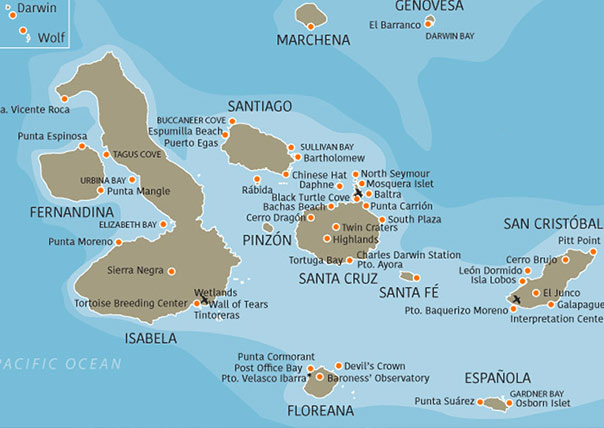
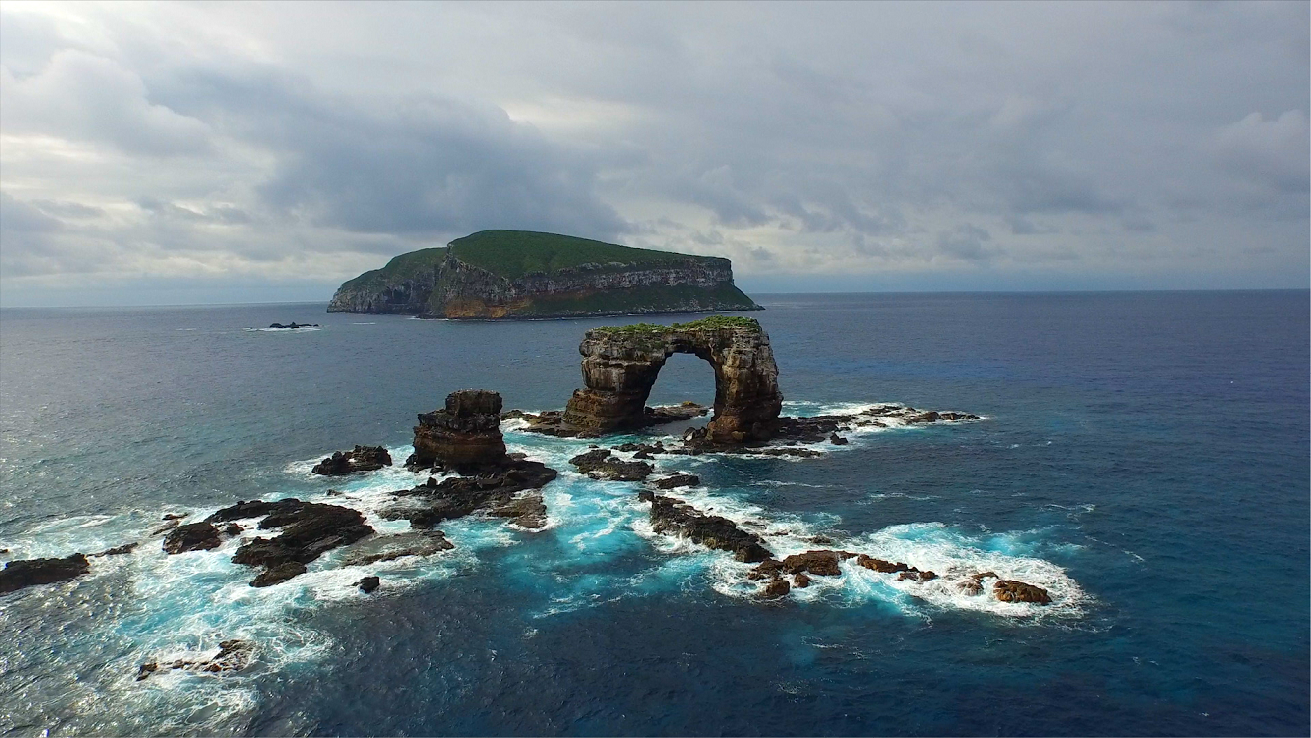
The best snorkeling is around the central and southern islands, where calm bays and rocky points shelter the wildlife. Classic spots include Devil’s Crown off Floreana, the lava channels of Los Túneles on Isabela, and the sheltered coves around Bartolomé. These sites are typically visited on day trips and cruises, with easy entry and gentle conditions suited to swimmers of all levels.
When to snorkel: water temperature and seasons
You can snorkel year-round, but the water is cooler than many people expect. It runs roughly 65 to 75°F in the warm season (December to May) and 60 to 70°F in the cooler season (June to November), so most people are more comfortable in a wetsuit or shorty, especially in the cooler months. The warm season brings calmer, clearer water that is ideal for snorkeling. For a fuller picture of the seasons, see our guide to the best time to dive the Galapagos.
Snorkeling vs diving in the Galapagos
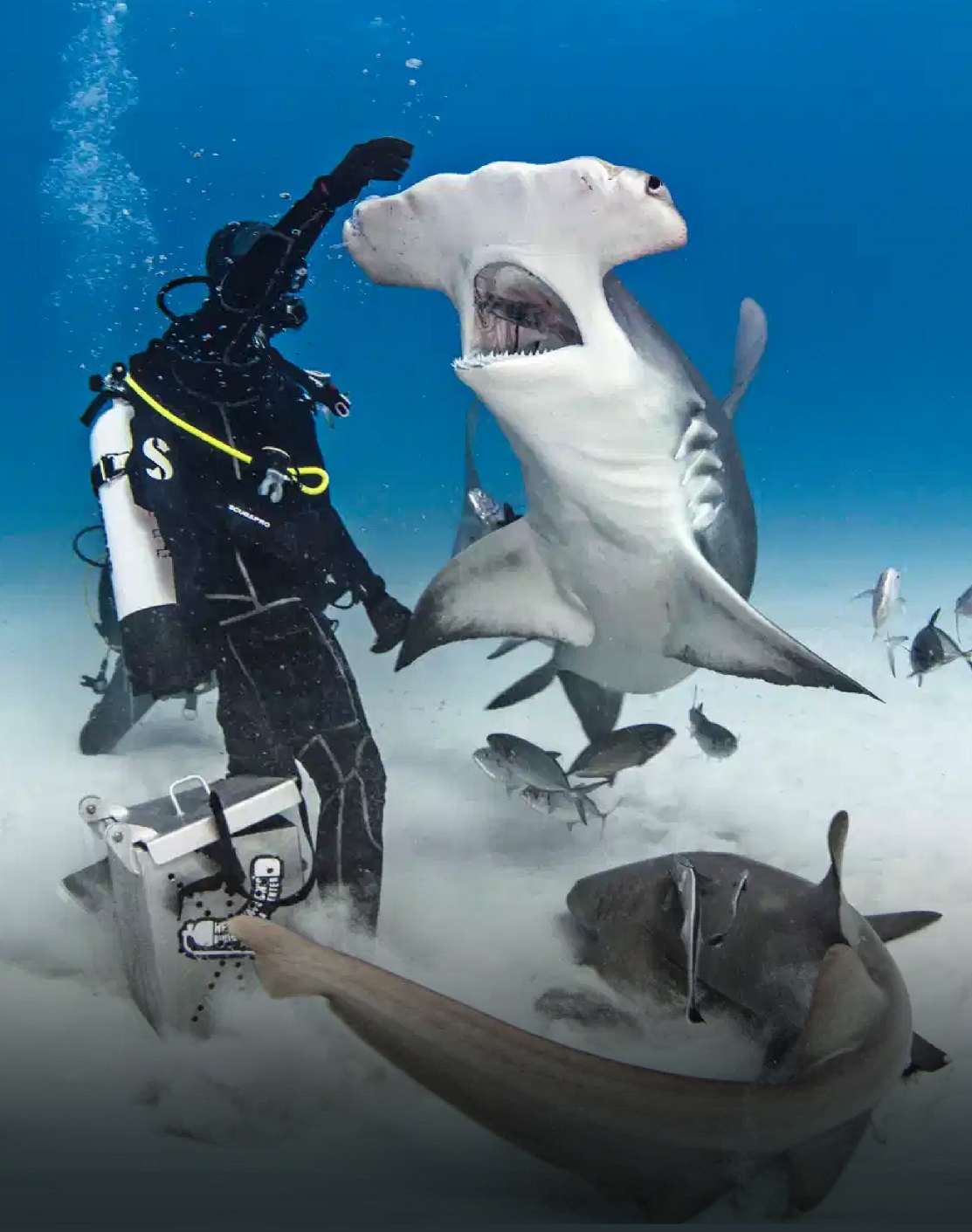
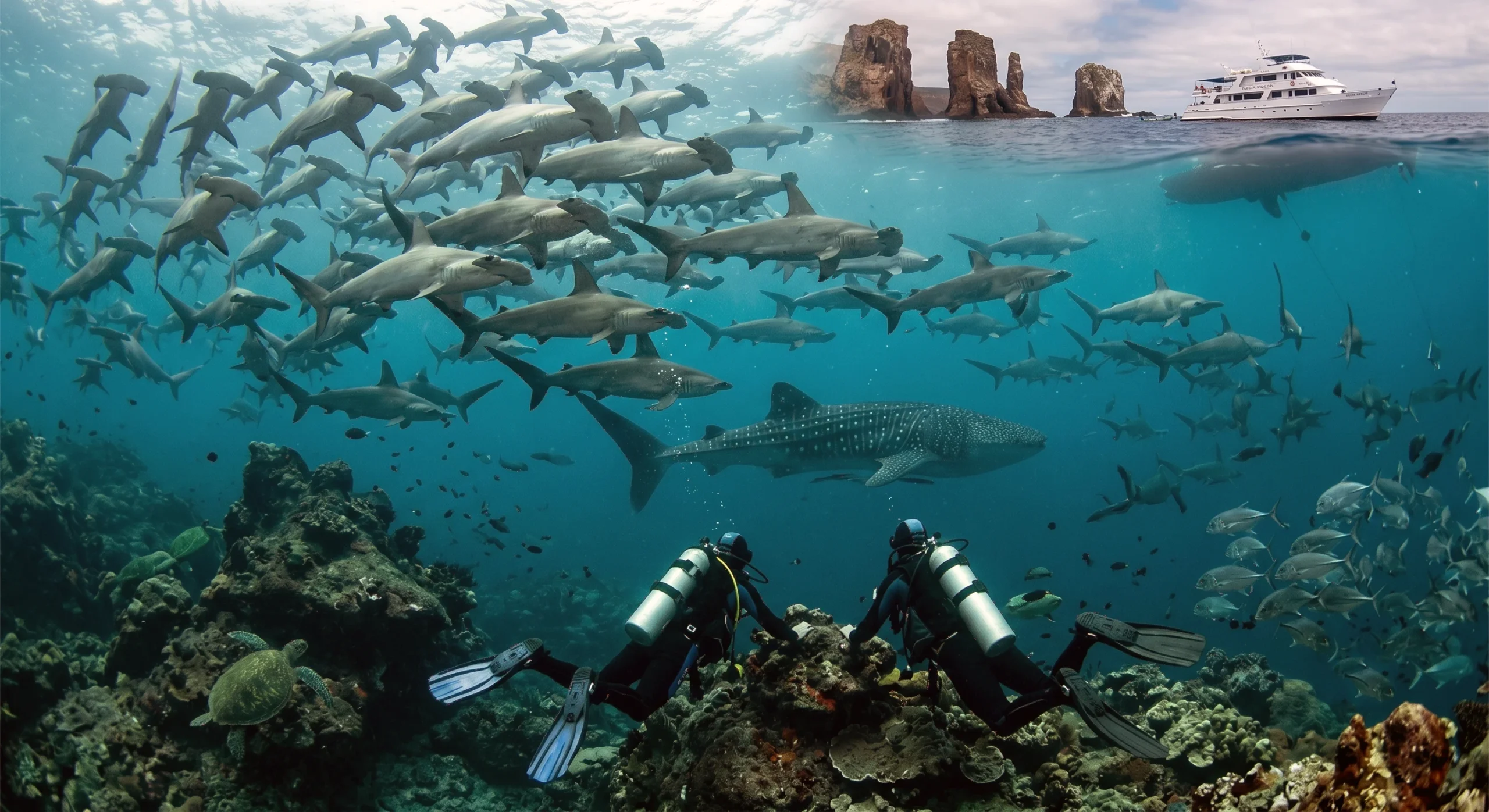
Here is the honest difference. Snorkeling gives you wonderful, easy encounters in the shallows — sea lions, turtles, penguins and rays. Diving opens up a whole other world: the schools of hammerhead sharks, whale sharks and big pelagic life that the Galapagos is world-famous for live in deeper water, at remote sites that snorkelers simply can’t reach. If you want the gentle, accessible side of the islands, snorkeling is perfect. If you dream of the big animals, that is diving territory.
For certified divers: the Galapagos below the surface
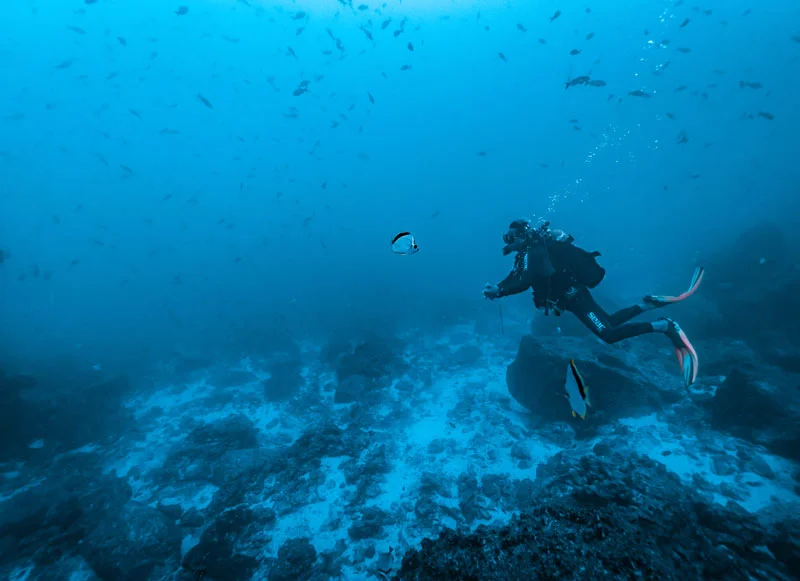
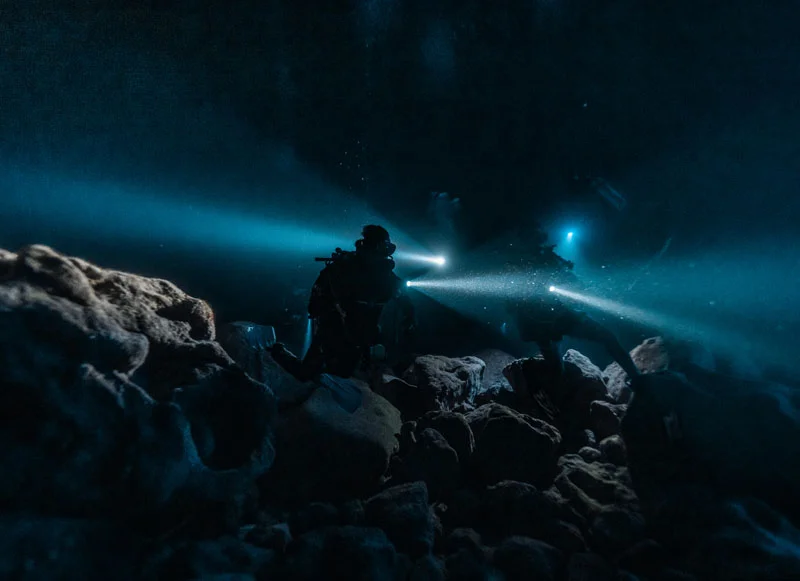
If you are already a certified diver, the Galapagos has far more waiting beneath the surface. The legendary sites of Darwin and Wolf, reachable only by liveaboard, are where hundreds of schooling hammerhead sharks gather and, in season, whale sharks cruise past. It is advanced diving and a different trip entirely from a snorkeling holiday — you can read what it involves in our Galapagos diving guide, and see what a week of Darwin and Wolf liveaboard diving really looks like.
Already a diver, or thinking about taking the plunge?
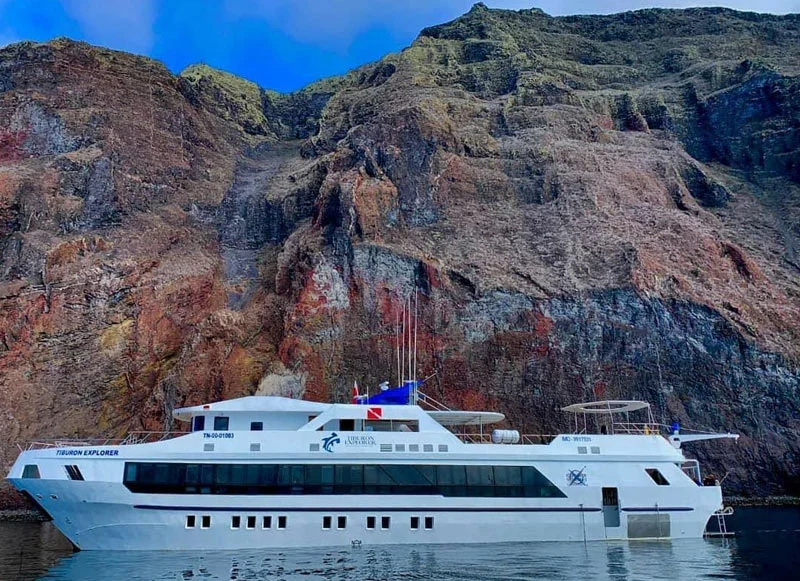
See what a week at Darwin & Wolf Liveaboard Diving in Galapagos looks like, and explore our liveaboards — The tiburon Explorer and the Humboldt Explorer.
Frequently asked questions about snorkeling in the Galapagos
Is snorkeling good in the Galapagos?
Yes — it’s some of the best in the world. Because the wildlife has no fear of people, you can snorkel alongside sea lions, sea turtles, penguins and rays in shallow, easy conditions. No experience is needed.
What animals can you see while snorkeling in the Galapagos?
Commonly sea lions, green sea turtles, marine iguanas, rays, reef fish and resting white-tip reef sharks, and often Galapagos penguins and flightless cormorants. Most of it is just below the surface in sheltered bays.
Can you snorkel with sea lions in the Galapagos?
Yes, and it’s a highlight. Galapagos sea lions are famously playful and curious, often swimming, twisting and darting around snorkelers in the shallows. They tend to approach you, not the other way around.
Do you need a wetsuit to snorkel in the Galapagos?
It’s recommended. The water runs from about 60 to 75°F depending on the season — cooler than many people expect — so a wetsuit or shorty keeps you comfortable enough to stay in longer, especially in the cooler season (June to November).
Can you see hammerhead sharks while snorkeling?
Not really. The famous schools of hammerheads gather in deeper water at remote northern sites like Darwin and Wolf, which can only be reached by diving from a liveaboard. Snorkeling stays in the shallows of the central islands.
Is the Galapagos better for snorkeling or diving?
It depends on what you want. Snorkeling is perfect for easy, shallow encounters with sea lions, turtles and penguins. Diving unlocks the big animals — hammerheads and whale sharks — at sites snorkelers can’t reach. Many visitors do both.