There is no bad time to dive the Galapagos — the islands deliver world-class diving all year round. What changes with the season is the water temperature, the conditions and which big animals you are most likely to meet. Come in the cool season (June to November) for whale sharks and the most action, or in the warm season (December to May) for warmer water and the best visibility. Hammerheads are present year-round, with the largest schools in the cool season.
There is no bad time to dive the Galapagos — the islands deliver world-class diving all year round. What changes with the season is the water temperature, the conditions, and which big animals you are most likely to meet. In short: come in the cool season (roughly June to November) for whale sharks and the most action, or the warm season (roughly December to May) for warmer water and the best visibility. Hammerheads are present year-round, but the largest schools gather during the cool season (June to November).
This guide breaks down the two seasons, what the diving is like month by month, the water temperatures to expect, and how to choose the right time for the trip you want.
The short answer: when to dive the Galapagos
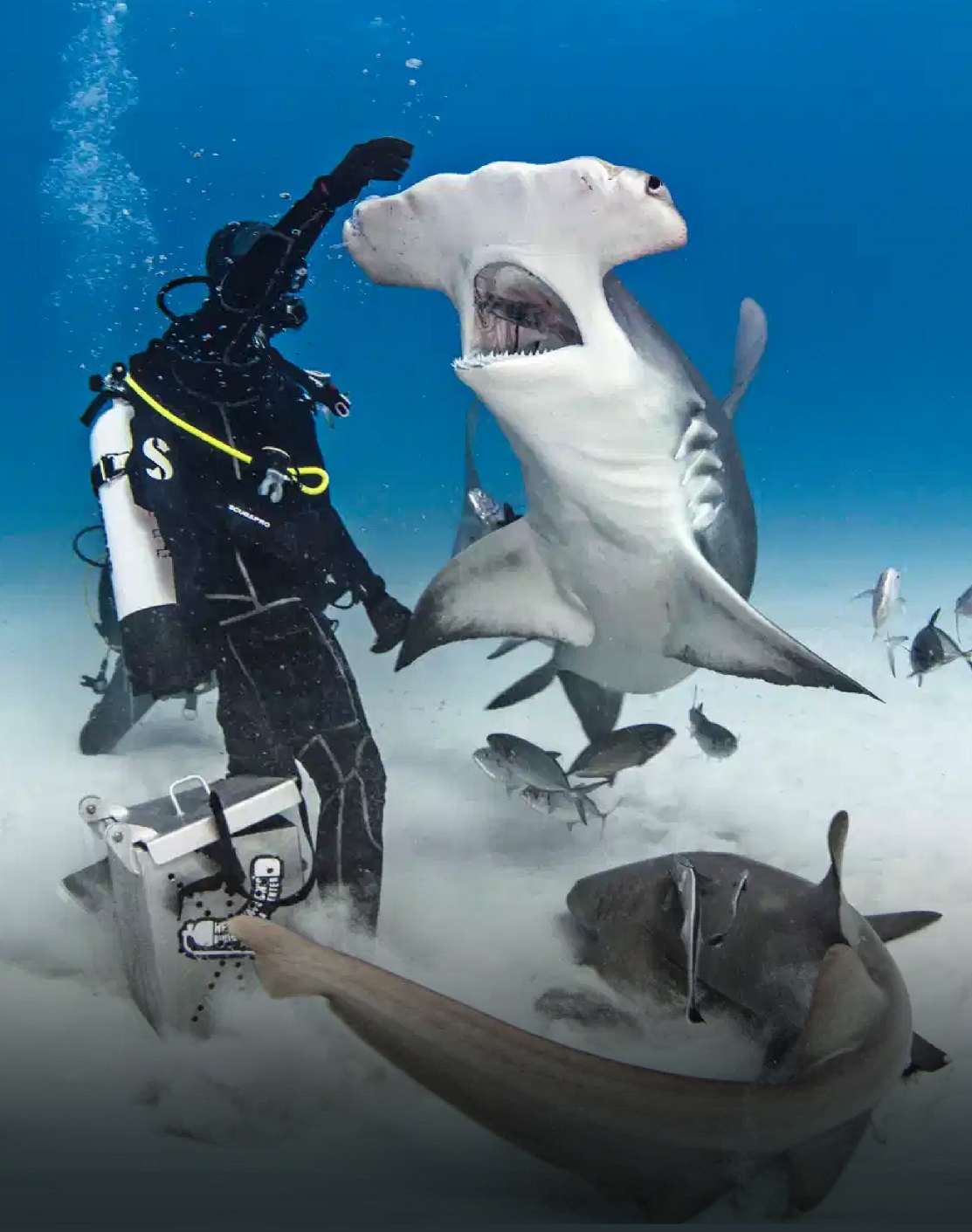
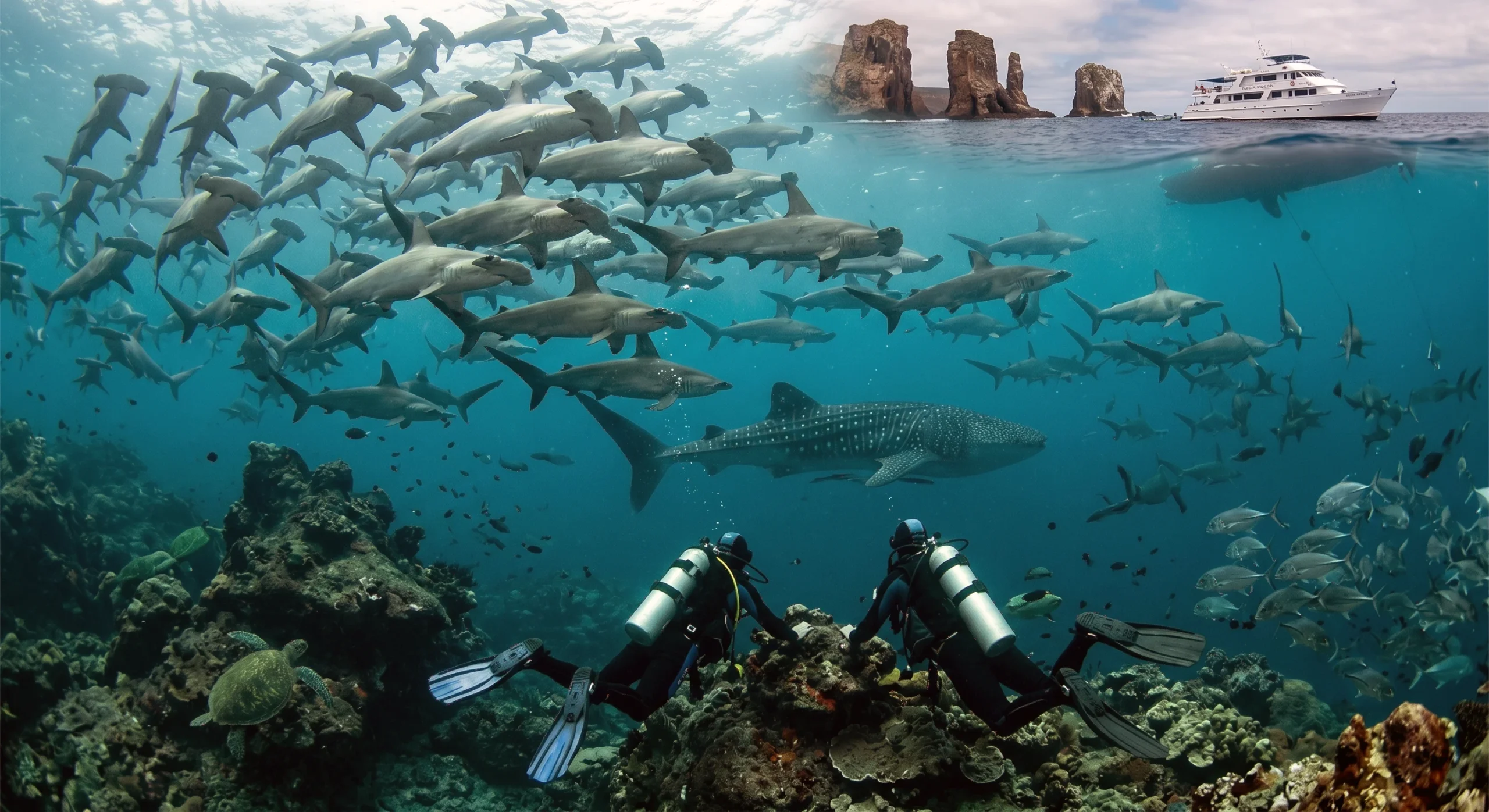
If your dream is to share the water with whale sharks, plan your trip for the cool, dry season — roughly June to November — when the nutrient-rich water draws in the biggest animals. If you would rather have warmer water, calmer seas and the clearest visibility, the warm season — roughly December to May — is for you. And if it is the famous schooling hammerheads you are after, good news: they are at Darwin and Wolf year-round, with the largest concentrations during the cool season.
The two Galapagos diving seasons
The Galapagos has two distinct seasons, shaped by the ocean currents that surround the islands. Each one offers superb diving — they simply feel different.
Warm season (December to May)
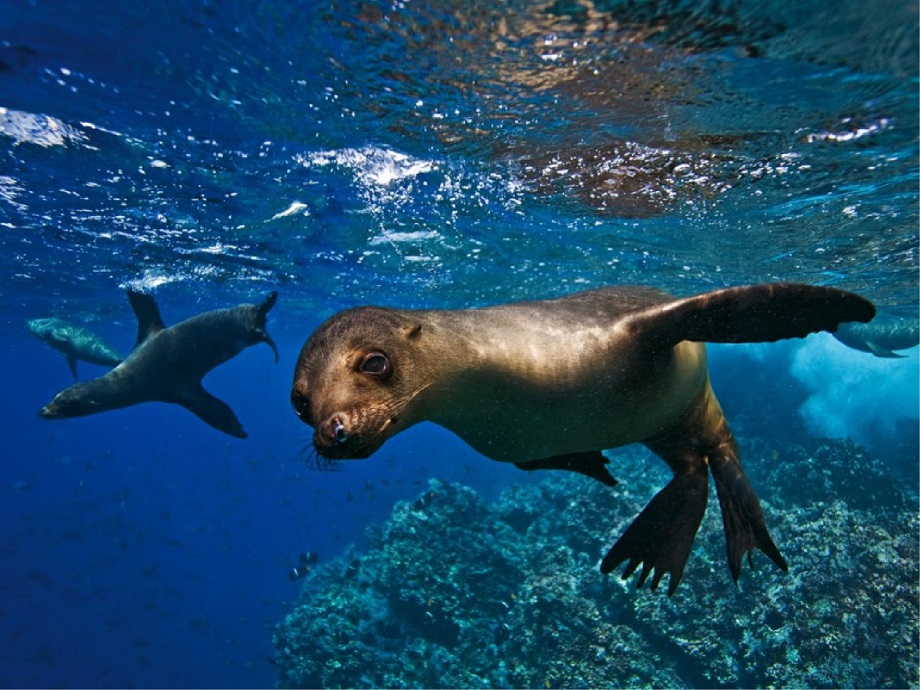
During the warm season the air is warmer, with occasional short rain showers and generally calm seas. The water is warmer too, around 65 to 75°F (18 to 24°C), and visibility is usually at its best. Conditions tend to be gentler, which makes for relaxed, comfortable diving. You will still see hammerheads, along with rays, turtles and the rest of the Galapagos’ marine life.
Cool season (June to November)
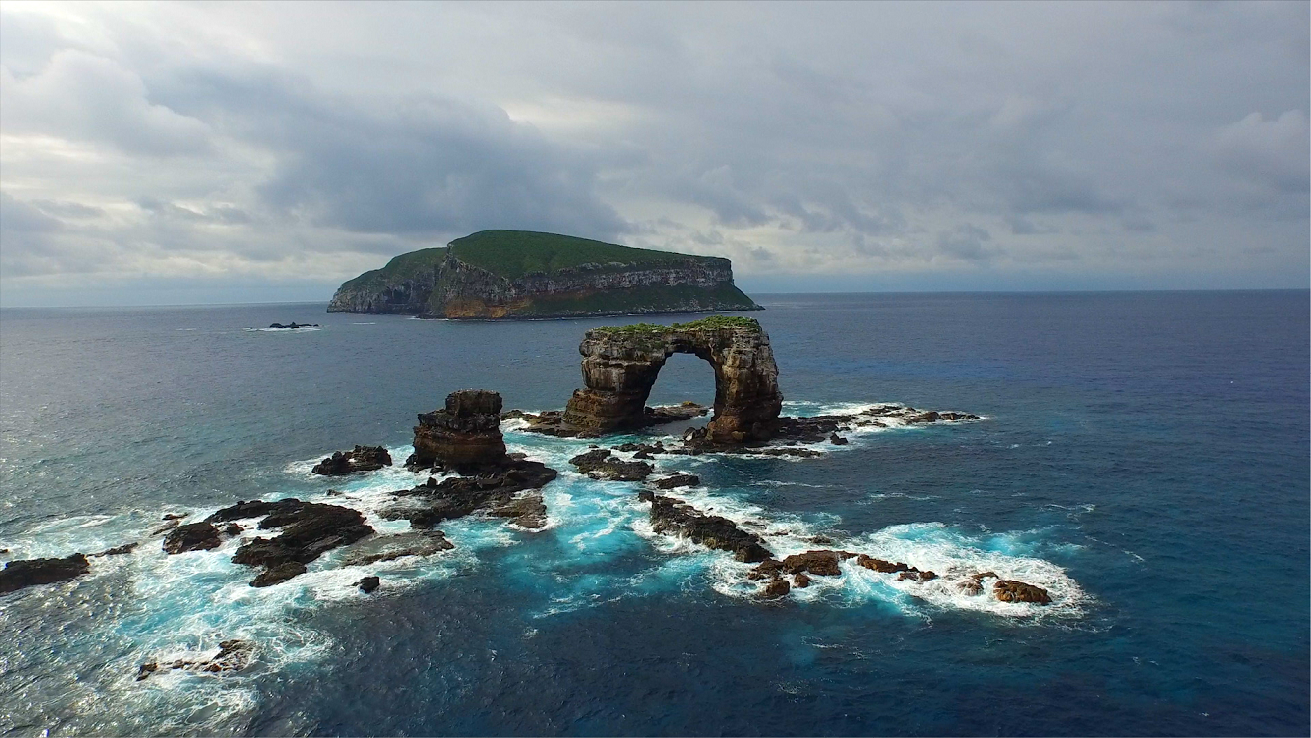
In the cool, dry season the famous Humboldt Current brings cold, plankton-rich water up from the south. The water drops to around 60 to 70°F (16 to 21°C) — and colder still at Darwin and Wolf — the skies are often overcast, and currents can be stronger. In return you get the richest diving of the year: this is whale shark season, and the cooler months bring the biggest concentrations of sharks and big animals.
Best time for hammerheads and whale sharks
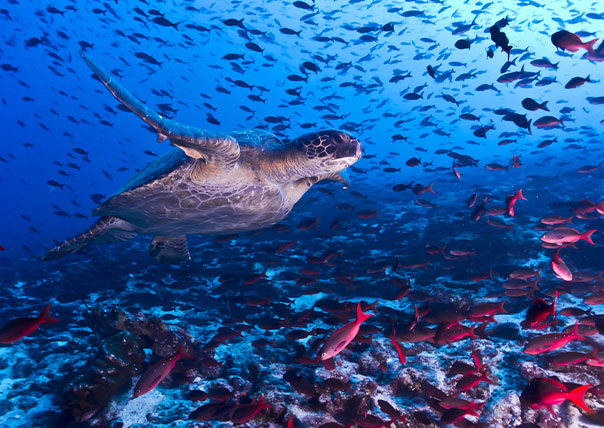
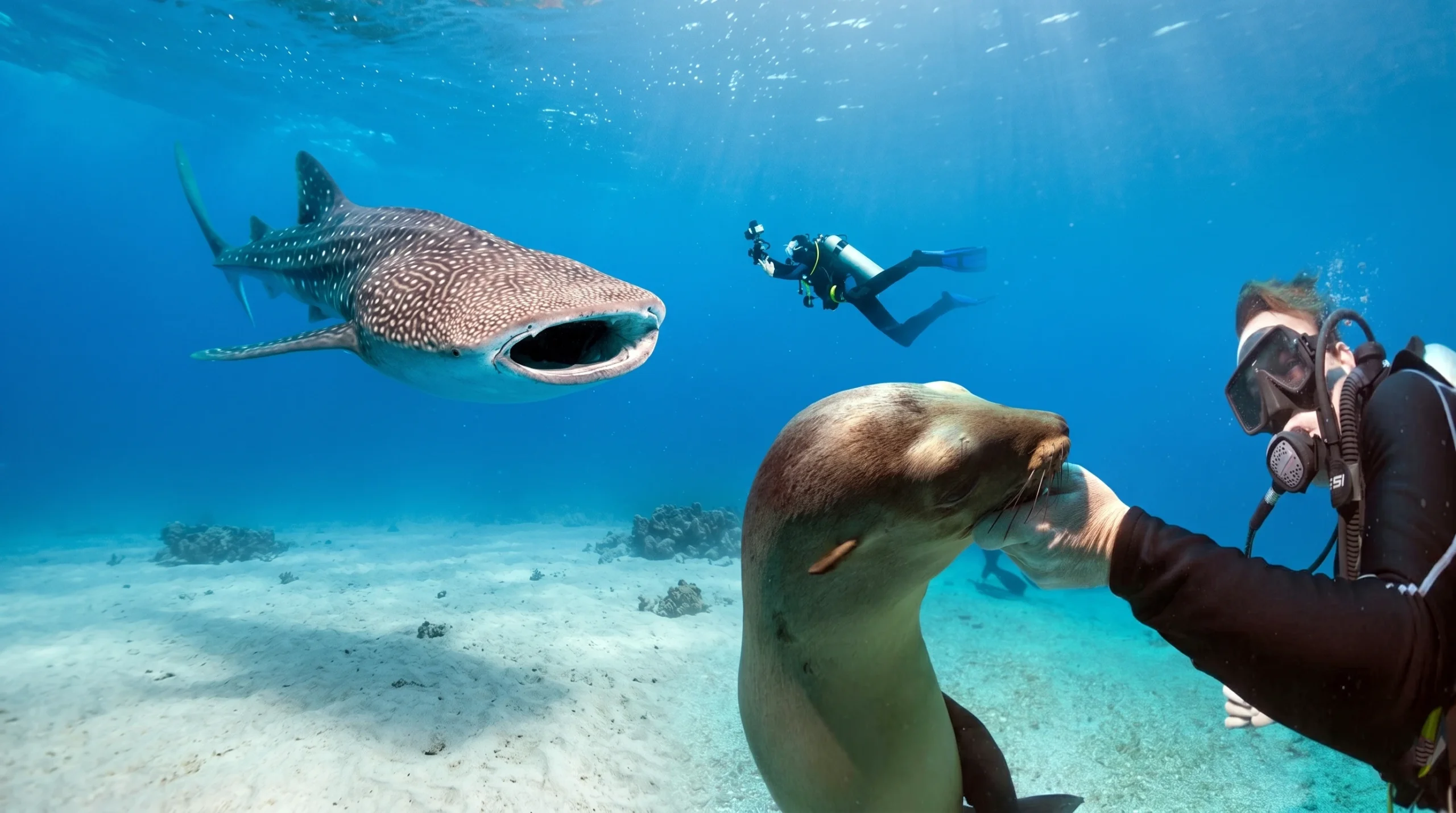
These two are the headline acts, and their timing is the single biggest factor for most divers. If you are wondering about the best time to see hammerheads in Galapagos, hammerheads are present at Darwin and Wolf year-round, but the largest, densest schools tend to form during the cool season (June to November), when the Humboldt Current draws them closer to the islands — you can read more in our guide to hammerhead shark diving. Whale sharks are seasonal: they pass through mainly from June to November, with the middle of that window often the most reliable, and Darwin is the prime spot. If seeing both on the same trip matters to you, the cool season is the clear choice.
Best Time to Dive the Galapagos on European Holidays
Most European divers plan around school breaks and long weekends, and the calendar works in your favor. The summer holidays fall in the cool season, when whale sharks and the biggest hammerhead schools are at Darwin and Wolf. Christmas, winter breaks and Easter fall in the warm season, with warmer water and the best visibility. Holiday dates vary by country and year, so check the table against your own calendar.
| Your holiday window | Galapagos season | What to expect underwater |
|---|---|---|
| Summer school holidays (late June to August) | Cool season | Whale sharks arrive and hammerhead schools are at their largest. Water around 60–70°F (16–21°C). |
| September and October leave | Cool season | The most reliable months for whale sharks. Water around 62–64°F (17–18°C) in September. |
| All Saints long weekend (around 1 November) | End of the cool season | The tail end of whale shark season, with hammerheads still in big numbers. |
| Christmas and New Year | Warm season | Calm seas and warming water, around 68–70°F (20–21°C) in December. Whale sharks are much less likely. |
| Winter breaks and Easter | Warm season | Warm water and the best visibility, around 72–74°F (22–23°C) in January. |
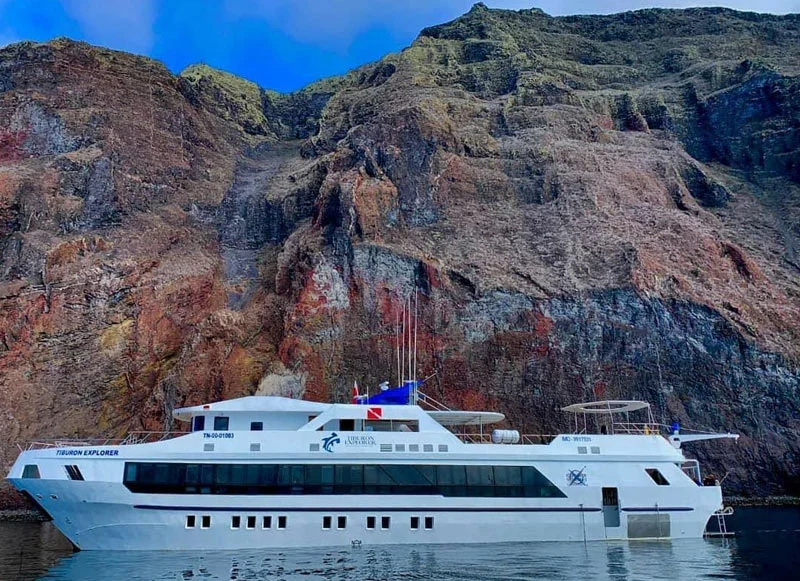
The trip itself is eight days and seven nights, and with flights from Europe you should plan around 12 days door to door. Departures aboard the Tiburon Explorer start on Saturdays and aboard the Humboldt Explorer on Mondays, so pick the start day that fits your break. Not sure how many nights suit you? Read how long a Galapagos liveaboard should be.
Diving the Galapagos month by month
Every month has its own character. Here is a closer look at January in the warm season, September in the heart of the cool season, and December, when one season hands over to the other.
Diving in January
January falls in the warm season: warm water, good visibility and calm, comfortable conditions, with the islands at their greenest after the first rains. Hammerheads and rays are around, making it a lovely month for divers who want easier conditions without giving up the big stuff. Expect water around 72–74°F (22–23°C) — some of the warmest diving of the year.
Diving in September
September sits in the heart of the cool season and is one of the best months for big-animal diving. Whale sharks are passing through, the water is full of life, and the action can be extraordinary. The trade-off is cooler water, stronger currents and sometimes lower visibility — this is a month for divers who want the spectacle and are comfortable in demanding conditions. Water temperature typically sits around 62–64°F (17–18°C), close to the coolest of the year.
Diving in December
December marks the shift from the cool season into the warm one. The water begins to warm, conditions ease, and visibility improves, while the sharks of Darwin and Wolf remain. It is a transitional month that often gives you a bit of both worlds. Water climbs to around 68–70°F (20–21°C) as the season turns.
Water temperature, visibility and what to wear
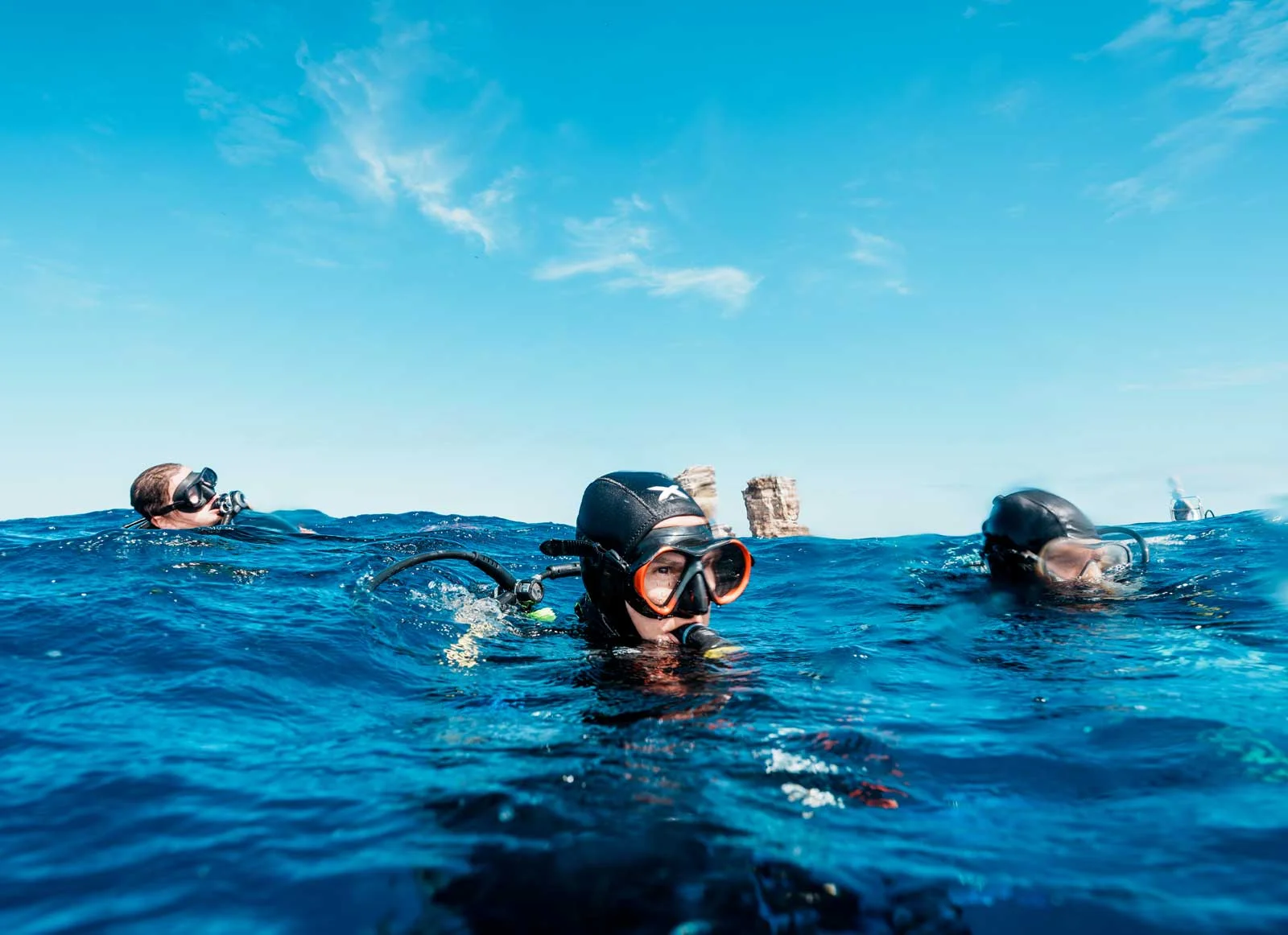
Across the year, water temperature runs roughly 65 to 75°F (18 to 24°C) in the warm season (December to May) and 60 to 70°F (16 to 21°C) in the cool season (June to November), and it can be colder at the northern islands. Visibility is generally between 30 and 80 feet (9 to 24 m), and currents at the dive sites range from 1 to 5 knots. Most divers are comfortable in a 7 mm wetsuit with a hooded vest and gloves from June to November, and at least a 5 mm wetsuit from December to May. For the full detail on conditions and what to expect underwater, see our our Galapagos diving guide. Packing list? See what to wear in the Galapagos.
So, when should you go?
Found your season?
Explore our seven-night itineraries and departure dates aboard the Tiburon Explorer and the Humboldt Explorer, and start planning your Galapagos liveaboard trip.
Frequently asked questions about the best time to dive the Galapagos
What is the best time to dive the Galapagos?
There is no bad time — the Galapagos offers world-class diving year-round. For whale sharks and the most big-animal action, choose the cool season (roughly June to November). For warmer water, calmer seas and the best visibility, choose the warm season (roughly December to May). Hammerheads are present year-round, with the largest schools in the cool season.
What is the best month to dive in the Galapagos?
It depends on what you want to see. Cool-season months like August, September and October are best for whale sharks and big-animal diving, while warm-season months from January to April offer warmer, calmer and clearer conditions. Every month has excellent diving at Darwin and Wolf.
When is whale shark season in the Galapagos?
Whale sharks are seen mainly from June to November, with the middle and later part of that window often the most reliable. Darwin is the prime spot, and many of the whale sharks here are large, mature females.
When is the best time to see hammerhead sharks in the Galapagos?
Hammerheads are present at Darwin and Wolf year-round, but the largest schools form during the cool season — roughly June to November — when nutrient-rich currents concentrate them around the islands. If seeing the biggest aggregations matters most, aim for those months; if you simply want to dive with hammerheads, any season delivers.
What is the water temperature in the Galapagos?
Water temperature runs roughly 65 to 75°F (18 to 24°C) in the warm season (December to May) and 60 to 70°F (16 to 21°C) in the cool season (June to November). It can be colder at the northern islands of Darwin and Wolf, where upwelling brings up cold water.
When is the best time to dive the Galapagos on European holidays?
The summer school holidays (late June to August) and September and October leave fall in the cool season: the best months for whale sharks and the largest hammerhead schools, with water around 60 to 70°F (16 to 21°C). Christmas, winter breaks and Easter fall in the warm season, with warmer water, calmer seas and the best visibility. Holiday dates vary by country and year.
What is the difference between the warm and cool diving seasons?
The warm season (December to May) brings warmer water, calmer seas and the best visibility, with gentler conditions. The cool season (June to November) brings colder, plankton-rich water, stronger currents and the richest big-animal diving, including whale sharks.