Galapagos Coral Reefs Studier by Researches

| Updated on July 25, 2026
A Galapagos liveaboard at anchor, the only way to dive Darwin and Wolf

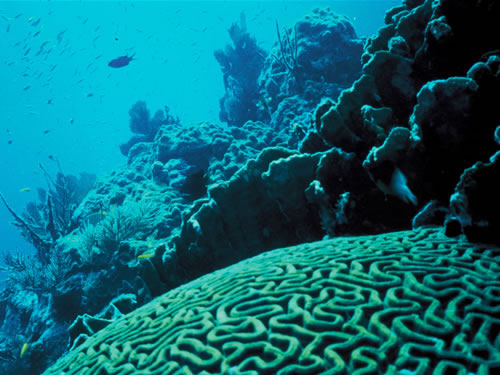
The coral reefs around the Galapagos Islands may hold important clues about how reefs around the world will react to changing environmental conditions in the coming years and decades.  An article posted last week on “Environment News Service” details the work of a team of researchers with the Khaled bin Sultan Living Oceans Foundation’s Global Reef Expedition in the islands.  The project is a six year survey of coral reefs around the world, and a team spent 18 days in the Galapagos Islands.

The site was of interest because of the significant stresses that changing ocean temperatures have placed on the archipelago’s reefs in recent years, due to El Nino events in 1982-1983 and 1997-1998.  Despite the havoc warmer ocean waters wreaked on the sensitive reefs, the scientists found promising signs of recovery in certain areas.  According to Andrew Bruckner, chief scientist for the expedition, “The Galapagos offered a unique field laboratory to help us better understand how temperature extremes and increasing acidity will affect the survival and growth of reef building corals in the future.”

See these reefs for yourself — our guide to the best Galapagos dive sites covers the top spots where healthy coral meets extraordinary marine life.

Related Articles
Galapagos history: from Berlanga’s accidental discovery in 1535 and Darwin’s Beagle voyage to UNESCO World Heritage and marine protection.
Deep ocean around the Galapagos: waters over 300 m deep just 20 km offshore, submerged volcanoes and the Carnegie Ridge stretching to the mainland.
The Galápagos Special Law of 1998: settlement controls, tourism limits, and how conservation shaped the liveaboard model visitors use today.
Tiburon Explorer’s itinerary

8 days/ 7 nights

Saturday: Baltra
Guests fly to the Galapagos Islands from Mainland Ecuador, arriving in the late morning (please make sure to land in Baltra not later than 11:30am). The dive guides will meet the guests at the airport between 11:00 am and 12 pm and escort them to the Galapagos liveaboard, Tiburon Explorer®. Guests will board the vessel, have lunch, organize equipment and listen to the safety briefings.

Sunday: Baltra North (2 Dives)
Equipment check, 7:00 and 10:00 dives.
Sightings include rays and schools of fish.
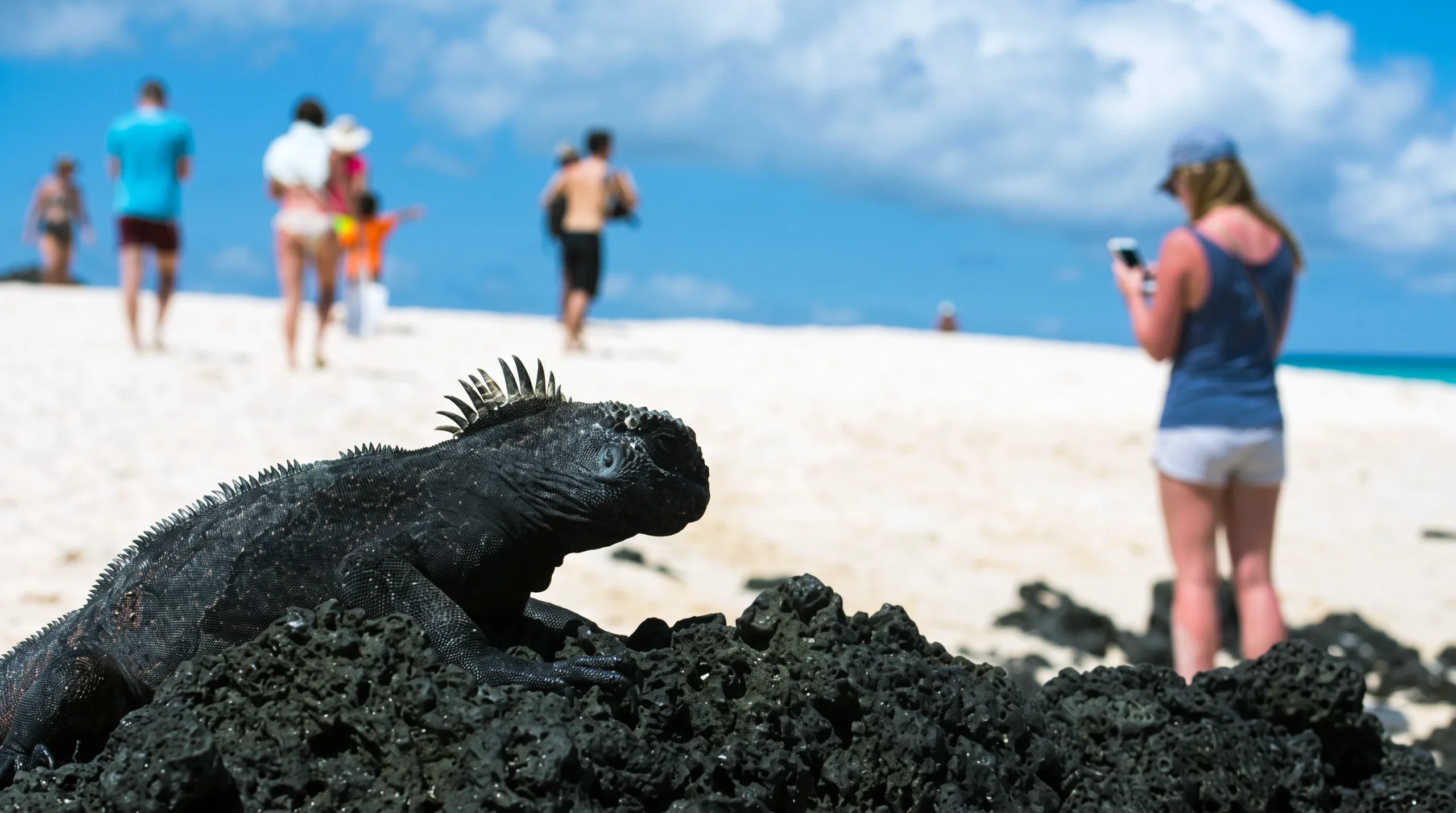
Afternoon North Seymour land visit. Walk the path around North Seymour Island to see the large colonies of Blue Footed Boobies and Frigate Birds. Sighting of Sea Lions and Marine Iguanas are also common. Depart for Cabo Douglas (11 hours).

Monday: Cabo Douglas (1-2 Dives)
Sightings include marine iguanas. Transit to Punta Vicente Roca.

Punta Vicente Roca (1-2 Dives)
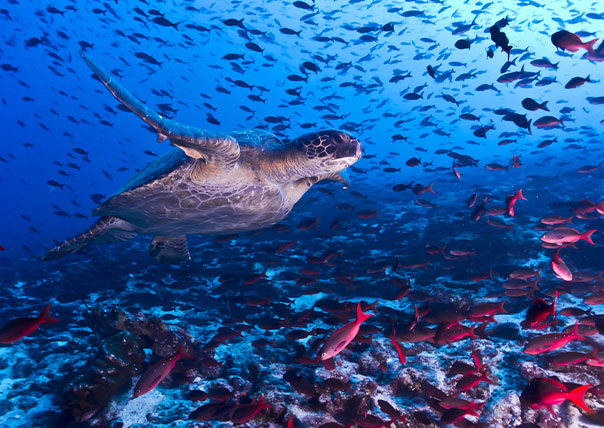
Sightings often include mola mola, turtles and macro life. Transit to Wolf (10 hours).

Tuesday: Wolf Island (4 Dives)
6:30, 10:30, 2:00 and 4:30 dives. Sightings often include hammerheads, whale shark (in season), eagle rays, sea lions, Galapagos sharks and silky sharks.

Wednesday: Darwin Island (4 Dives)
6:30, 10:30, 2:00 and 4:30 dives.
Sightings often include hammerheads, whale sharks (in season) eagle rays, Galapagos sharks and silky sharks. 
Transit to Wolf Island.

Thursday: Wolf Island (3 Dives)
6:30, 10:30 and 1:00 dives.
Sightings often include hammerheads, whale sharks (in season), eagle rays, Galapagos sharks and silky sharks. Transit to Cousin’s Rock (20+ hours).

Friday: Cousins Rock (2 Dives)
6:30 and 9:30 dives.
This is a great macro diving with an excellent chance of seeing sea horses, sea lions and eagle rays. Lunch will be served while transiting to Santa Cruz (3 hours). Travel by bus to the Santa Cruz Highlands to visit the giant tortoises in their natural habitat. Transfer to the town of Puerto Ayora. Dinner on your own in Puerto Ayora. Return to the Tiburon Explorer at 8:30pm.

Saturday: Baltra
Depart the vessel by 9 am. Transfer to the airport.