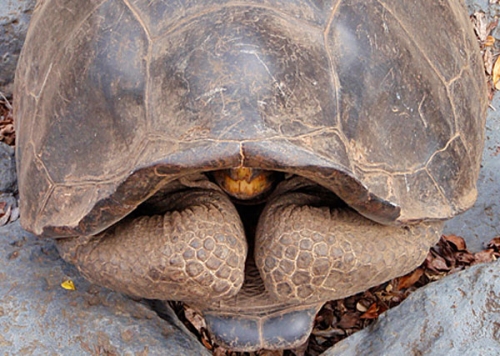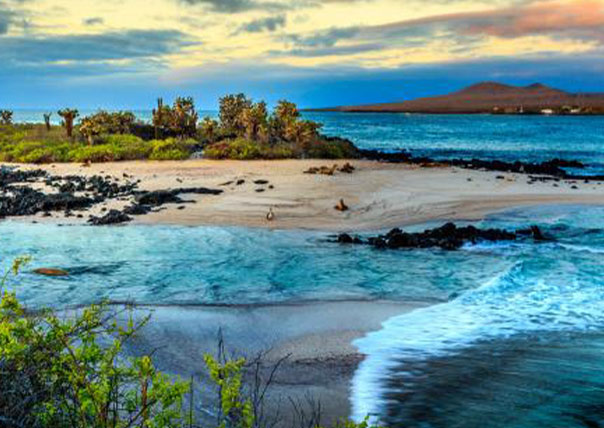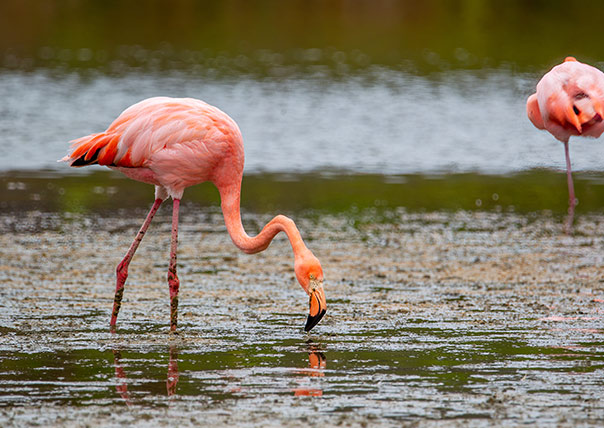

Galapagos Islands (officially named the Archipelago of Colon) is a spectacular place to visit anytime of the year, especially now that is it is the peak season. Located off the western coast of Ecuador in South America, the Galapagos Islands are one of the best National Parks and marine reserve in the universe.
Galapagos National Park coordinates visits of the islands carefully monitoring ecological conditions. Different sites are known for unique vegetation, landscape and wildlife. However, many species, such as marine iguanas, sea lions, lava lizards, and a variety of shore birds including herons, gossips, plovers, curlews and turnstone are commonly seen in most places. These sites must be respected in ecological terms while visiting to preserve their naturalistic beauty.
Most of the trails are less than a mile long, often bypassing the rough lava boulders or other obstructions, making them easy to navigate. However, some remote sites are only accessible by boat. Some of these remote sites require that visitors wade ashore from boats, and others have dry landings that allow the boat to be beached. Visitors should review the access before visiting some sites depending on your preferences or health limitations.
Most people visit Galapagos for underwater diving as it is considered a world class destination to view the spectacular abundance of more than 5,000 species of flora and fauna with each island having a remarkable distinction of species from one island to another. The variety of wild life, and nature in the archipelago: It’s possible to dive with stingrays, photograph amazing photos with the multicolor iguanas and the giant sea turtles in their natural settings. Also, viewing the sea lions as they dance around the ocean, playing games with the other chubby seals is an unforgettable experience. Or for those looking to expand their curiosity, there is the amazing, and incredible aquatic life such as starfish, countless beautiful reef fish such as barracuda, grouper, grunt, water jack, snapper, to name just a few.
The remarkable scenes of thousands of schooling hammerheads sharks are common place throughout the islands. And if you feel lucky, you can encounter rare species like the rainbow basset, red-lipped batfish, rock mover wrasse, bloody frogfish, Galapagos clingfish, and many more.
Around the islands, divers should be advised that they may encounter colder water, strong currents, tidal surges, and poor visibility. New or inexperienced divers may not be prepared for these conditions, and I highly recommended that the novices utilize one of the reputable diving guide services that are available to insure their safety.
Those schooling hammerheads deserve a closer look — read our dedicated guide to Galapagos hammerhead diving and find out where and when to see them.