Galapagos’ History

| Updated on July 25, 2026

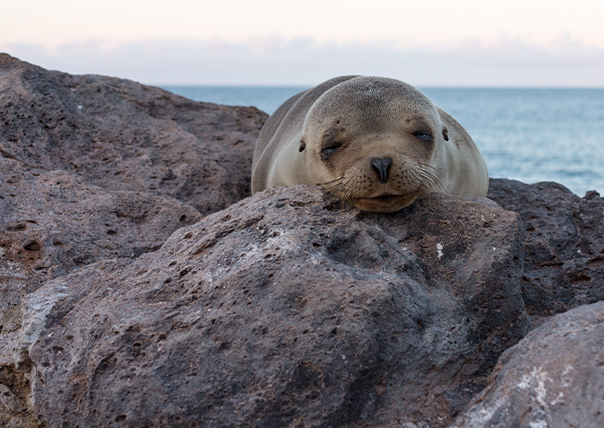
The Bishop of Panama, Fray Tomas de Berlanga, accidentally discovered the Galápagos archipelago on March 10, 1535 when his vessel drifted off course on its way from Panama to Peru.

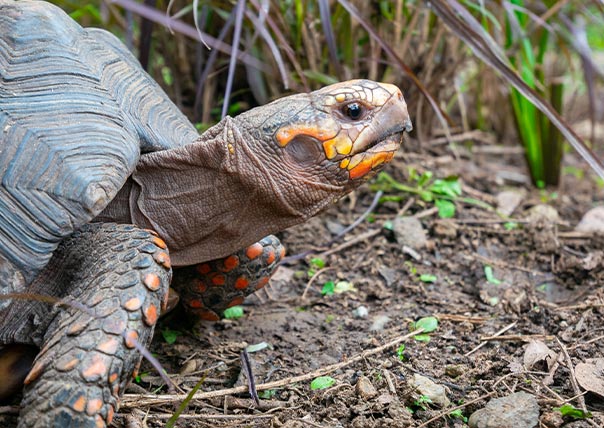
His report to King Charles V of Spain included descriptions of iguanas, sea lions, ‘silly birds’ (probably blue-footed boobies) and the giant tortoise come from the Spanish word for “saddle,” perhaps referring to the shape of the shell of the “saddleback” tortoise.

Some historians believe that Indian inhabitants of South America possibly knew of the islands’ existence before 1535, and Norwegian explorer Thor Heyerdahl discovered what he thought were pre-Columbian pottery shards on the islands in 1953, lending credence to this theory, but there are no definite records and the evidence remains inconclusive.

For more than three hundred years after the discovery of the archipelago, a succession of pirates, adventurers and whalers used the Galápagos as a base.

The islands provided sheltered anchorage, firewood, water and an abundance of fresh food thanks to the giant tortoises.

Adventurers made the first rough charts of the archipelago by the late 1600’s, and scientific exploration began in the late 18th century.

Charles Darwin, possibly the Galápagos’ most famous visitor, dropped anchor from his ship, the Beagle, in 1835.

Based on the notes and wildlife collections made during his five-week stay, he developed his theory of evolution and his explanation of the origin of the species.

His works spawned the creation–evolution controversy, a recurring history of the universe and of life on this planet.

Ecuador officially claimed the Galápagos Archipelago in 1832.

The remaining 3% consists of inhabited towns and farm lands.

Twenty years later, in 1979, UNESCO declared the Galápagos a World Heritage Site, and in 1986 the Galápagos Marine Resources Reserve was established to include protection of the waters around the archipelago.

The islands were also declared a Whale Sanctuary in 1990.

Today those same waters are home to the world’s greatest shark diving — see our Darwin and Wolf liveaboard itinerary to follow in the footsteps of the explorers.
Related Articles
There's no bad time to dive the Galapagos. Compare the warm and cool seasons, whale shark months and month-by-month conditions to plan your liveaboard trip.
Practical tips for your Galapagos trip: airport steps in Guayaquil, what to bring, seasons and island rules — plus how divers reach Darwin and Wolf.
Inter-island ferries in the Galapagos: routes, prices and schedules between Santa Cruz, San Cristóbal and Isabela.
Tiburon Explorer’s itinerary

8 days/ 7 nights

Saturday: Baltra
Guests fly to the Galapagos Islands from Mainland Ecuador, arriving in the late morning (please make sure to land in Baltra not later than 11:30am). The dive guides will meet the guests at the airport between 11:00 am and 12 pm and escort them to the Galapagos liveaboard, Tiburon Explorer®. Guests will board the vessel, have lunch, organize equipment and listen to the safety briefings.

Sunday: Baltra North (2 Dives)
Equipment check, 7:00 and 10:00 dives.
Sightings include rays and schools of fish.
Afternoon North Seymour land visit. Walk the path around North Seymour Island to see the large colonies of Blue Footed Boobies and Frigate Birds. Sighting of Sea Lions and Marine Iguanas are also common. Depart for Cabo Douglas (11 hours).

Monday: Cabo Douglas (1-2 Dives)
Sightings include marine iguanas. Transit to Punta Vicente Roca.

Punta Vicente Roca (1-2 Dives)
Sightings often include mola mola, turtles and macro life. Transit to Wolf (10 hours).

Tuesday: Wolf Island (4 Dives)
6:30, 10:30, 2:00 and 4:30 dives. Sightings often include hammerheads, whale shark (in season), eagle rays, sea lions, Galapagos sharks and silky sharks.

Wednesday: Darwin Island (4 Dives)
6:30, 10:30, 2:00 and 4:30 dives.
Sightings often include hammerheads, whale sharks (in season) eagle rays, Galapagos sharks and silky sharks. 
Transit to Wolf Island.

Thursday: Wolf Island (3 Dives)
6:30, 10:30 and 1:00 dives.
Sightings often include hammerheads, whale sharks (in season), eagle rays, Galapagos sharks and silky sharks. Transit to Cousin’s Rock (20+ hours).

Friday: Cousins Rock (2 Dives)
6:30 and 9:30 dives.
This is a great macro diving with an excellent chance of seeing sea horses, sea lions and eagle rays. Lunch will be served while transiting to Santa Cruz (3 hours). Travel by bus to the Santa Cruz Highlands to visit the giant tortoises in their natural habitat. Transfer to the town of Puerto Ayora. Dinner on your own in Puerto Ayora. Return to the Tiburon Explorer at 8:30pm.

Saturday: Baltra
Depart the vessel by 9 am. Transfer to the airport.