Entry into Ecuador and Galapagos

| Updated on July 25, 2026
Galapagos liveaboard diving trip cost and what's included

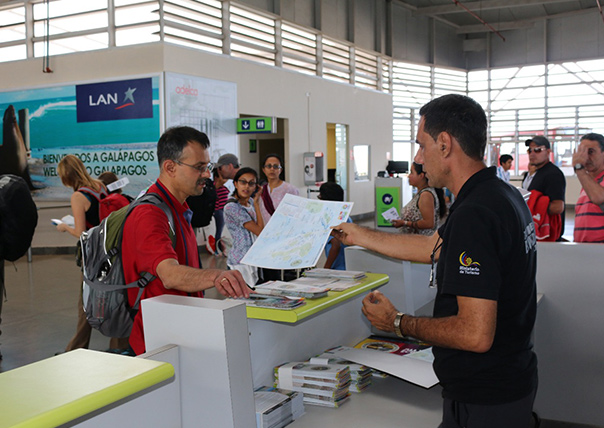
Upon arrival in Ecuador, everyone must go through customs and immigration. Visitors must have a valid passport good for at least six months after their visit.

You will be given copies of your entry the time of writing, no visas are required regardless of your nationality as long as you are entering Ecuador as a tourist and plan to stay for less than 90 days. Make copies of all important documents (passport, air tickets, prescription medications, etc.). If they are lost, replacement will be much easier with copies in hand.

To go to Galapagos you have to pay 2 taxes:

  • Transit card $ 20
  • National Park entrance fee $ 200

Tourists traveling to Ecuador need private or public travel insurance. The insurance will be required for the time of stay for foreign persons entering Ecuador, to ensure your stay without setbacks.

Once you clear the entry steps, the adventure begins — explore our Darwin and Wolf liveaboard itinerary to see what seven nights of world-class diving look like.
Related Articles
There's no bad time to dive the Galapagos. Compare the warm and cool seasons, whale shark months and month-by-month conditions to plan your liveaboard trip.
Galapagos coral reefs under study: how these resilient reefs may hold clues to how coral worldwide will respond to rising ocean temperatures.
A German smuggler sentenced to four years for trying to take iguanas out of the Galapagos — a landmark case for wildlife protection in the
Tiburon Explorer’s itinerary

8 days/ 7 nights

Saturday: Baltra
Guests fly to the Galapagos Islands from Mainland Ecuador, arriving in the late morning (please make sure to land in Baltra not later than 11:30am). The dive guides will meet the guests at the airport between 11:00 am and 12 pm and escort them to the Galapagos liveaboard, Tiburon Explorer®. Guests will board the vessel, have lunch, organize equipment and listen to the safety briefings.

Sunday: Baltra North (2 Dives)
Equipment check, 7:00 and 10:00 dives.
Sightings include rays and schools of fish.
Afternoon North Seymour land visit. Walk the path around North Seymour Island to see the large colonies of Blue Footed Boobies and Frigate Birds. Sighting of Sea Lions and Marine Iguanas are also common. Depart for Cabo Douglas (11 hours).

Monday: Cabo Douglas (1-2 Dives)
Sightings include marine iguanas. Transit to Punta Vicente Roca.

Punta Vicente Roca (1-2 Dives)
Sightings often include mola mola, turtles and macro life. Transit to Wolf (10 hours).

Tuesday: Wolf Island (4 Dives)
6:30, 10:30, 2:00 and 4:30 dives. Sightings often include hammerheads, whale shark (in season), eagle rays, sea lions, Galapagos sharks and silky sharks.

Wednesday: Darwin Island (4 Dives)
6:30, 10:30, 2:00 and 4:30 dives.
Sightings often include hammerheads, whale sharks (in season) eagle rays, Galapagos sharks and silky sharks. 
Transit to Wolf Island.

Thursday: Wolf Island (3 Dives)
6:30, 10:30 and 1:00 dives.
Sightings often include hammerheads, whale sharks (in season), eagle rays, Galapagos sharks and silky sharks. Transit to Cousin’s Rock (20+ hours).

Friday: Cousins Rock (2 Dives)
6:30 and 9:30 dives.
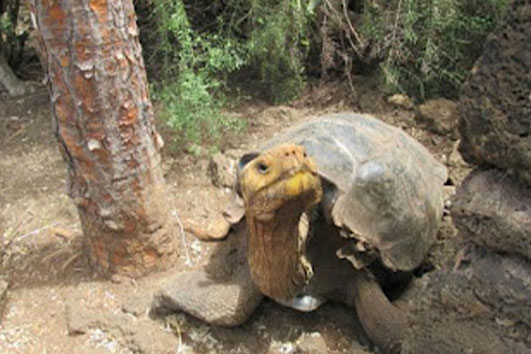
This is a great macro diving with an excellent chance of seeing sea horses, sea lions and eagle rays. Lunch will be served while transiting to Santa Cruz (3 hours). Travel by bus to the Santa Cruz Highlands to visit the giant tortoises in their natural habitat. Transfer to the town of Puerto Ayora. Dinner on your own in Puerto Ayora. Return to the Tiburon Explorer at 8:30pm.

Saturday: Baltra
Depart the vessel by 9 am. Transfer to the airport.