The Galapagos’ Arid Zone

| Updated on July 26, 2026

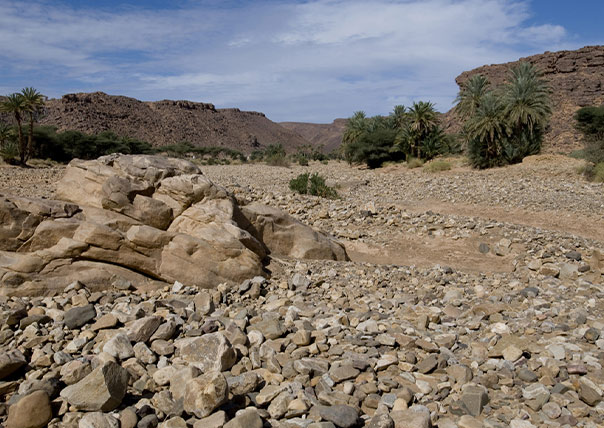
The Arid Zone, a wide area of lava, cinder and ash, exists up to about 200m (656ft).
Bartolomé is an example of an Arid Zone island.
The Highland (humid) Zone is defined by the lush evergreen forest and scalesia trees as tall as 10m (33ft) that thrive in the mist.
Humid areas are much wider on the southern or windward sides, at altitudes of 300-700m (1000-2300ft).
At the highest elevations, the moist, dense forest turns into treeless upland areas covered with ferns and grasses.
The Galápagos Islands are relatively young in the Earth’s overall geological time line, and their formation is an ongoing process.
The region is still volcanically active, with over 50 eruptions recorded since discovery of the islands in 1535.
The most recent eruption of Cerro Azul on Isabela began May 28, 2008, followed by an eruption on the westernmost island, Fernandina, in April 2009.

The volcanic forces that built these islands also drive the currents below — see how seasons affect diving in our guide to the best time to dive the Galapagos.
Related Articles
Galapagos baggage limits explained: 23 kg checked plus 5 kg carry-on on island flights — what that means for divers packing gear.
What flamingos and marine iguanas eat in the Galapagos: brine shrimp, algae, and the coastal food web that supports the islands’ iconic wildlife.
The Galapagos Marine Reserve: 133,000 sq km of protected ocean, home to hammerheads, whale sharks, manta rays and rules that keep it pristine.
Tiburon Explorer’s itinerary

8 days/ 7 nights

Saturday: Baltra
Guests fly to the Galapagos Islands from Mainland Ecuador, arriving in the late morning (please make sure to land in Baltra not later than 11:30am). The dive guides will meet the guests at the airport between 11:00 am and 12 pm and escort them to the Galapagos liveaboard, Tiburon Explorer®. Guests will board the vessel, have lunch, organize equipment and listen to the safety briefings.

Sunday: Baltra North (2 Dives)
Equipment check, 7:00 and 10:00 dives.
Sightings include rays and schools of fish.
Afternoon North Seymour land visit. Walk the path around North Seymour Island to see the large colonies of Blue Footed Boobies and Frigate Birds. Sighting of Sea Lions and Marine Iguanas are also common. Depart for Cabo Douglas (11 hours).

Monday: Cabo Douglas (1-2 Dives)
Sightings include marine iguanas. Transit to Punta Vicente Roca.

Punta Vicente Roca (1-2 Dives)
Sightings often include mola mola, turtles and macro life. Transit to Wolf (10 hours).

Tuesday: Wolf Island (4 Dives)
6:30, 10:30, 2:00 and 4:30 dives. Sightings often include hammerheads, whale shark (in season), eagle rays, sea lions, Galapagos sharks and silky sharks.

Wednesday: Darwin Island (4 Dives)
6:30, 10:30, 2:00 and 4:30 dives.
Sightings often include hammerheads, whale sharks (in season) eagle rays, Galapagos sharks and silky sharks. 
Transit to Wolf Island.

Thursday: Wolf Island (3 Dives)
6:30, 10:30 and 1:00 dives.
Sightings often include hammerheads, whale sharks (in season), eagle rays, Galapagos sharks and silky sharks. Transit to Cousin’s Rock (20+ hours).

Friday: Cousins Rock (2 Dives)
6:30 and 9:30 dives.
This is a great macro diving with an excellent chance of seeing sea horses, sea lions and eagle rays. Lunch will be served while transiting to Santa Cruz (3 hours). Travel by bus to the Santa Cruz Highlands to visit the giant tortoises in their natural habitat. Transfer to the town of Puerto Ayora. Dinner on your own in Puerto Ayora. Return to the Tiburon Explorer at 8:30pm.

Saturday: Baltra
Depart the vessel by 9 am. Transfer to the airport.