Liveaboard Experience: Blog

Blog, FAQ and Information for travelers

What does a Galapagos liveaboard really cost? See what's included, what's extra, and a full sample budget for your 7-night trip.
Liveaboard, cruise or dive resort for the Galapagos? Compare diving, access to Darwin and Wolf, cost and value to choose the right trip for serious
There's no bad time to dive the Galapagos. Compare the warm and cool seasons, whale shark months and month-by-month conditions to plan your liveaboard trip.
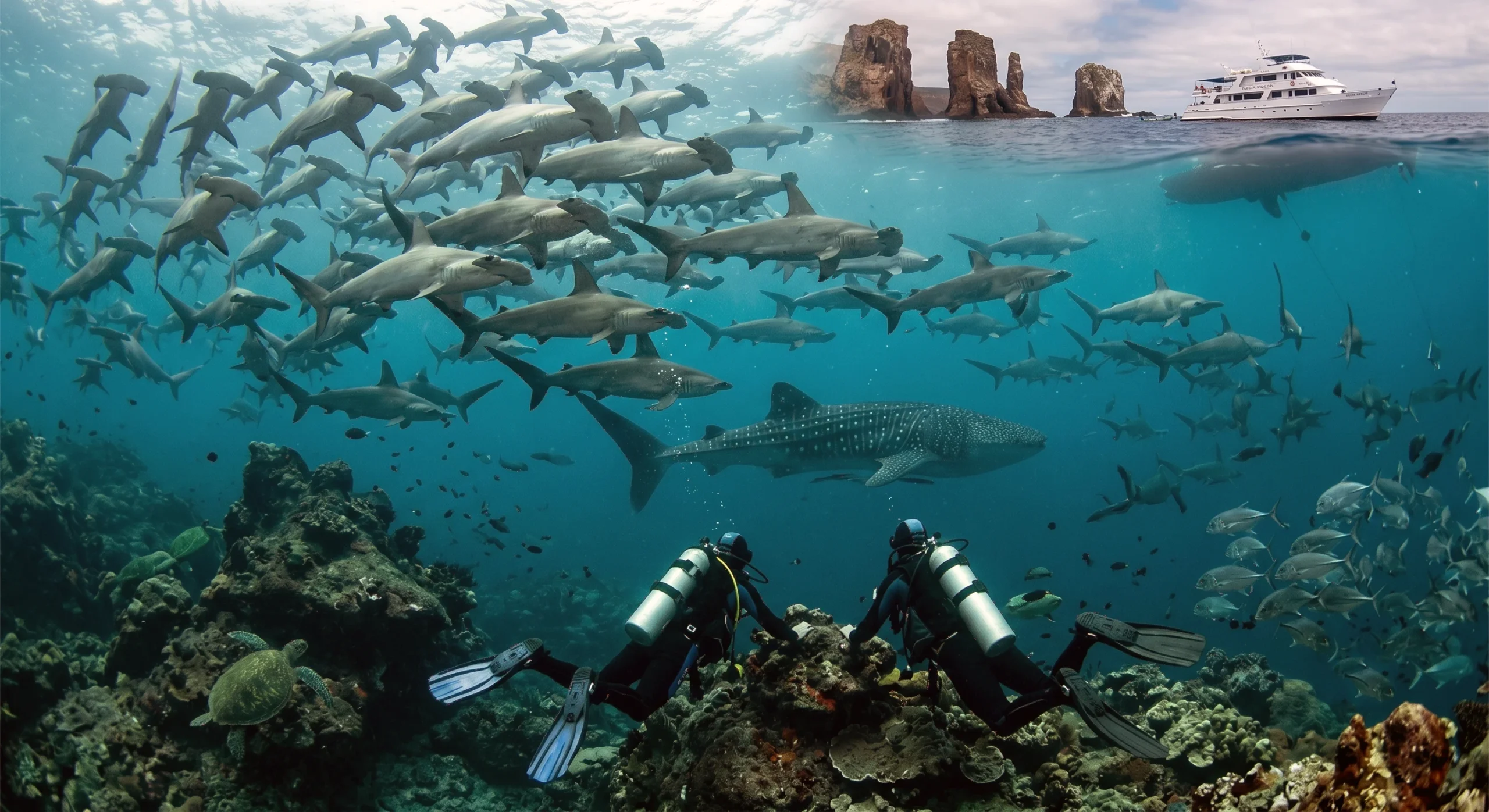
Dive with huge schools of hammerhead sharks in the Galapagos: where to see them, the best season, and why Darwin and Wolf hold the biggest
How hard is Galapagos diving, how many dives you need, water temperature, currents and what to bring — everything to know before you dive Darwin
From Darwin and Wolf to Cabo Marshall and Cabo Douglas: the best dive sites in the Galapagos, what you'll see at each, and how to
Thinking of a 5-day Galapagos liveaboard? Why 7 nights is the standard for Darwin and Wolf, what the extra days give you, and which length
Darwin and Wolf are the Galapagos' best dive sites: schooling hammerheads, whale sharks and the ocean's greatest shark diving — reached only by liveaboard.

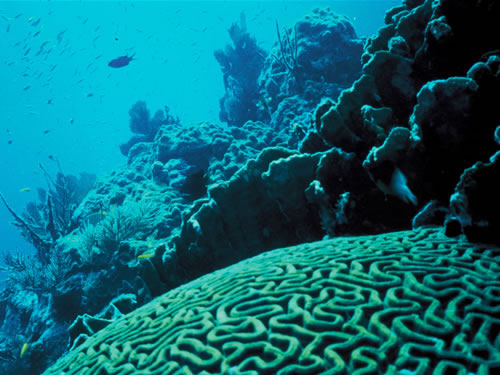
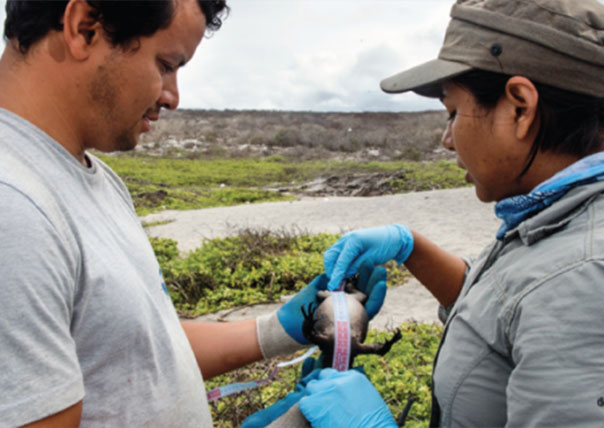
Galapagos coral reefs under study: how these resilient reefs may hold clues to how coral worldwide will respond to rising ocean temperatures.
What to wear in the Galapagos: light layers, a windbreaker and serious sun protection — plus the right wetsuit for every diving season.
Internet and phone service in the Galapagos: Wi-Fi, cellular coverage on the islands and what to expect for connectivity at sea.
Marine conditions in the Galapagos: warm and cool seasons, where hammerheads school year-round, and why Wolf and Darwin attract the biggest wildlife.
The Galapagos Marine Reserve: 133,000 sq km of protected ocean, home to hammerheads, whale sharks, manta rays and rules that keep it pristine.
Endemic species of the Galapagos: how isolation 960 km from the mainland created wildlife found nowhere else — above and below the waterline.
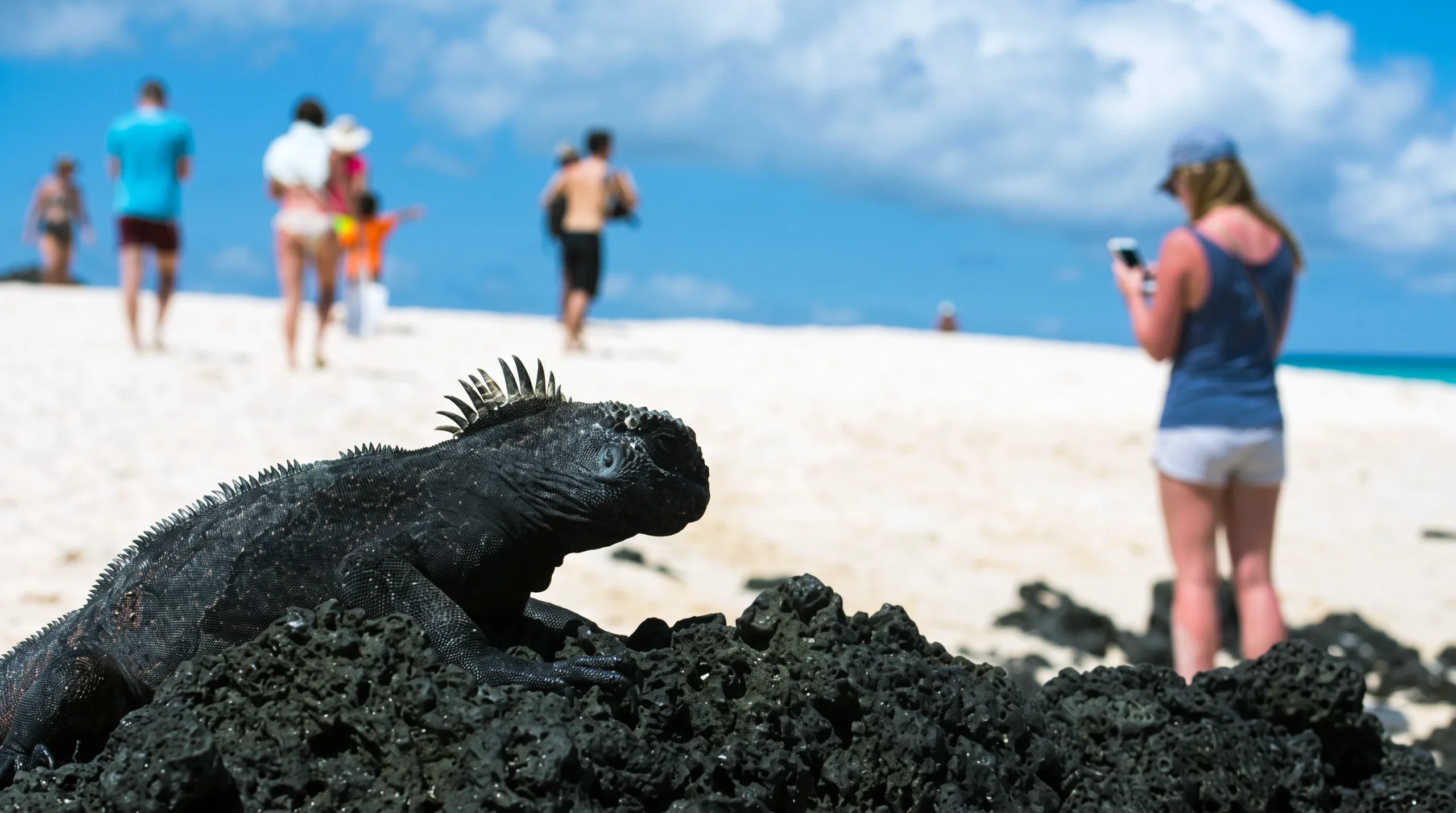
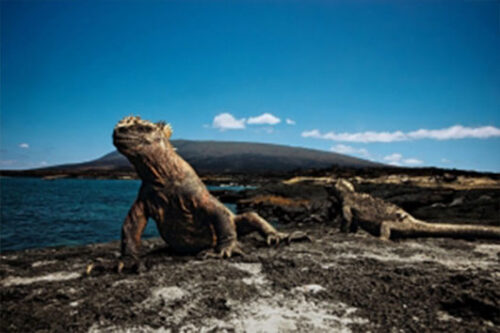
Marine iguanas of the Galapagos: the world’s only ocean-diving lizard, feeding on algae underwater and basking on lava rock between dives.
Preserving the Galapagos: invasive species, park maintenance and the conservation framework that protects one of Earth’s last wild places.
The Charles Darwin Research Station on Santa Cruz: giant tortoise breeding, conservation science and a must-see stop before heading offshore to dive.
Packing for the Galapagos made simple: light casual clothing, sun protection and what divers should bring for a liveaboard — plus luggage limits.
Exploring the Pacific Ocean around the Galapagos: crystal-clear waters, marine wildlife, and the feeling of having the islands all to yourself.
Let’s go to Galapagos: a spectacular year-round destination with marine iguanas, sea lions, schooling hammerheads and rare species at every turn.
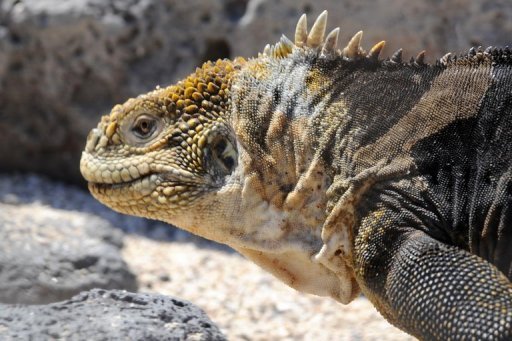
A German smuggler sentenced to four years for trying to take iguanas out of the Galapagos — a landmark case for wildlife protection in the
Lonesome George may not have been the last: Yale researchers found 17 hybrid relatives on Isabela, opening the door to restoring his species.
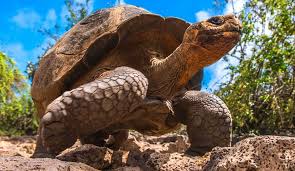
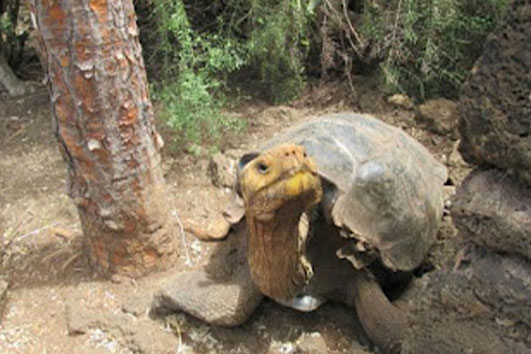
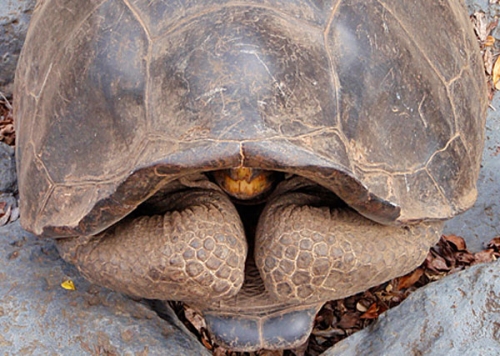
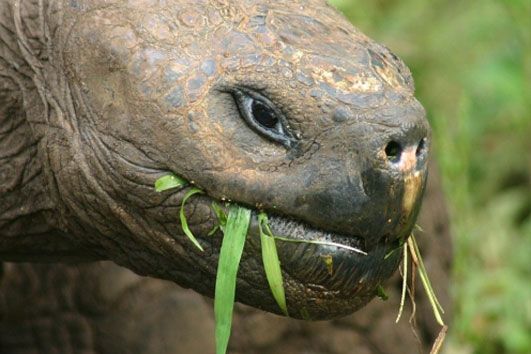
Galapagos tortoise comeback: from just 15 individuals in the 1970s to over 1,000 today — a conservation success story for the archipelago.
How much to tip in the Galapagos: suggested amounts for guides, crew and restaurants — plus how tipping works on liveaboard vessels.
Currency in the Galapagos: the U.S. dollar is legal tender in Ecuador — plus tips on credit cards, ATMs and surcharges on the islands.
Recommended vaccines for a Galapagos trip: hepatitis A, typhoid, yellow fever and hepatitis B — what you need and what is optional.
Galapagos time explained: the islands run one hour behind mainland Ecuador (GMT-6). What that means for your flights, connections and dive schedule.
Health and safety advice for the Galapagos: vaccinations, food and water, sun care and medical facilities — plus what experienced divers should know.
Inter-island ferries in the Galapagos: routes, prices and schedules between Santa Cruz, San Cristóbal and Isabela.
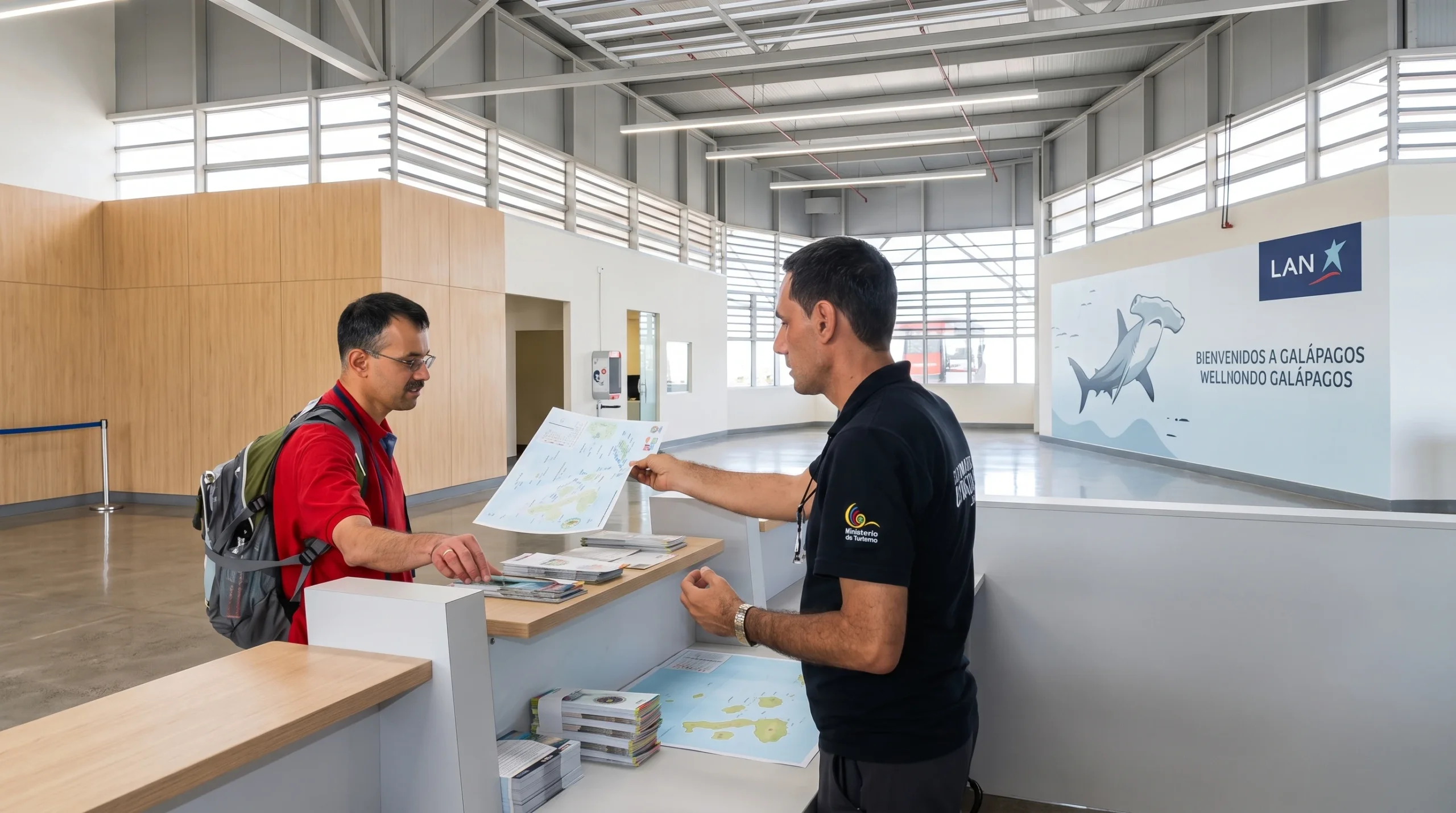
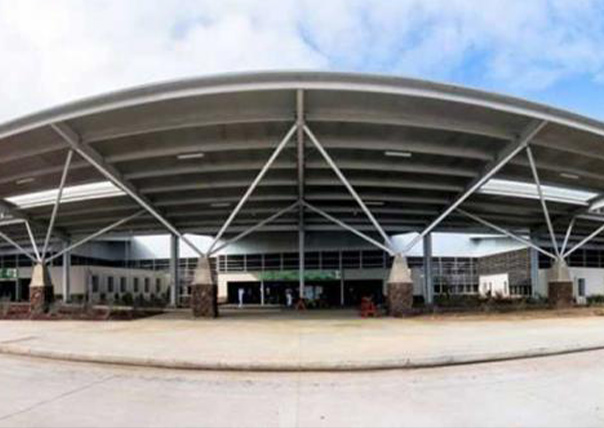
What to do at the Galapagos airport: how liveaboard crew meet you, luggage transfers, and the route from Baltra to your vessel or Puerto Ayora.
Tiburon Explorer’s itinerary

8 days/ 7 nights

Saturday: Baltra
Guests fly to the Galapagos Islands from Mainland Ecuador, arriving in the late morning (please make sure to land in Baltra not later than 11:30am). The dive guides will meet the guests at the airport between 11:00 am and 12 pm and escort them to the Galapagos liveaboard, Tiburon Explorer®. Guests will board the vessel, have lunch, organize equipment and listen to the safety briefings.

Sunday: Baltra North (2 Dives)
Equipment check, 7:00 and 10:00 dives.
Sightings include rays and schools of fish.
Afternoon North Seymour land visit. Walk the path around North Seymour Island to see the large colonies of Blue Footed Boobies and Frigate Birds. Sighting of Sea Lions and Marine Iguanas are also common. Depart for Cabo Douglas (11 hours).

Monday: Cabo Douglas (1-2 Dives)
Sightings include marine iguanas. Transit to Punta Vicente Roca.

Punta Vicente Roca (1-2 Dives)
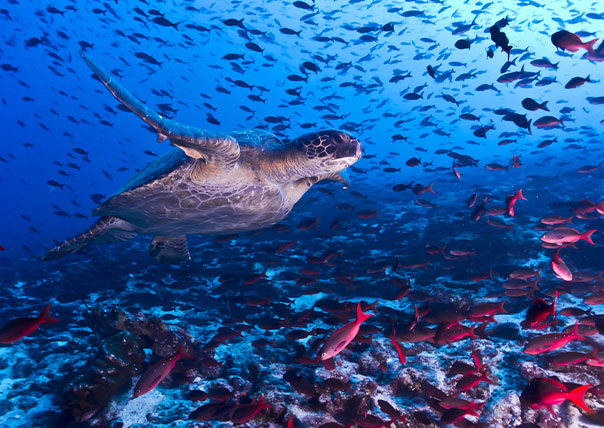
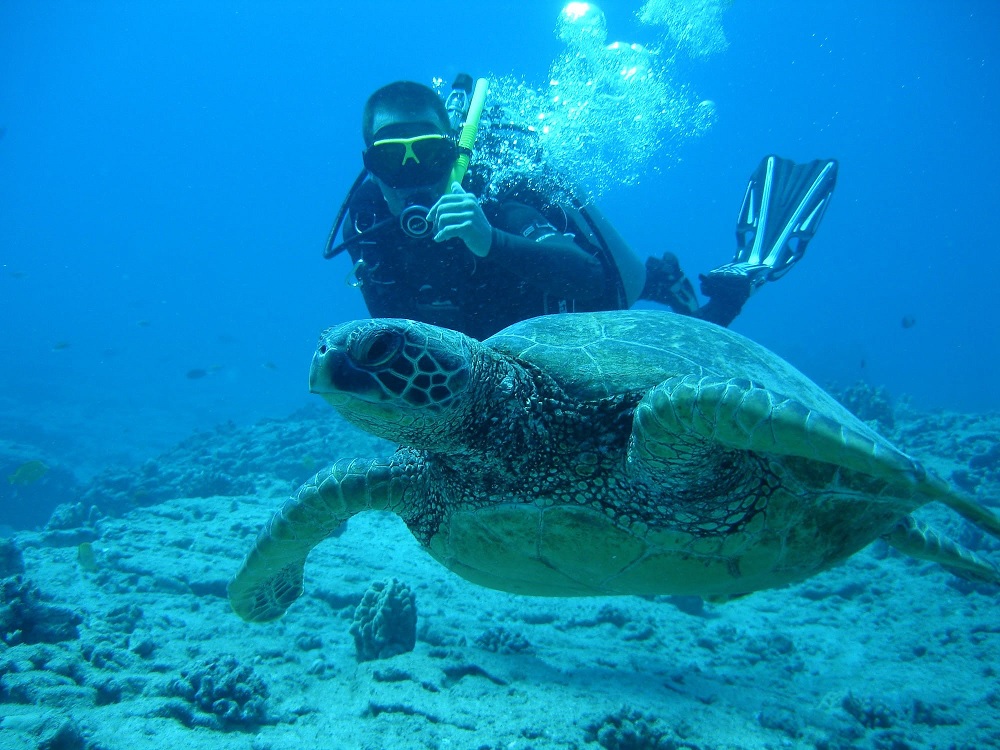
Sightings often include mola mola, turtles and macro life. Transit to Wolf (10 hours).

Tuesday: Wolf Island (4 Dives)
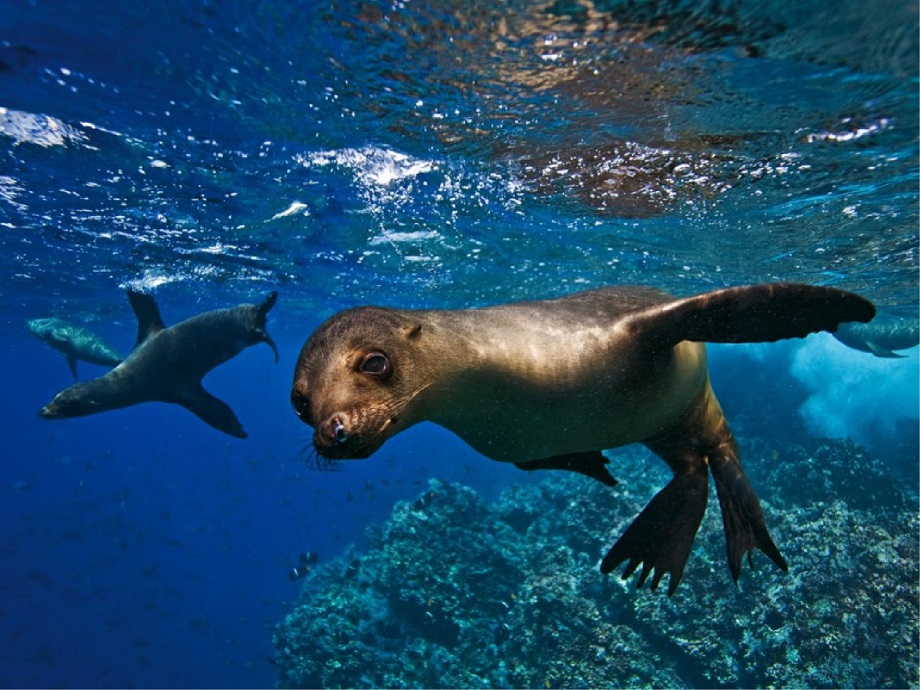
6:30, 10:30, 2:00 and 4:30 dives. Sightings often include hammerheads, whale shark (in season), eagle rays, sea lions, Galapagos sharks and silky sharks.

Wednesday: Darwin Island (4 Dives)
6:30, 10:30, 2:00 and 4:30 dives.
Sightings often include hammerheads, whale sharks (in season) eagle rays, Galapagos sharks and silky sharks. 
Transit to Wolf Island.

Thursday: Wolf Island (3 Dives)
6:30, 10:30 and 1:00 dives.
Sightings often include hammerheads, whale sharks (in season), eagle rays, Galapagos sharks and silky sharks. Transit to Cousin’s Rock (20+ hours).

Friday: Cousins Rock (2 Dives)
6:30 and 9:30 dives.
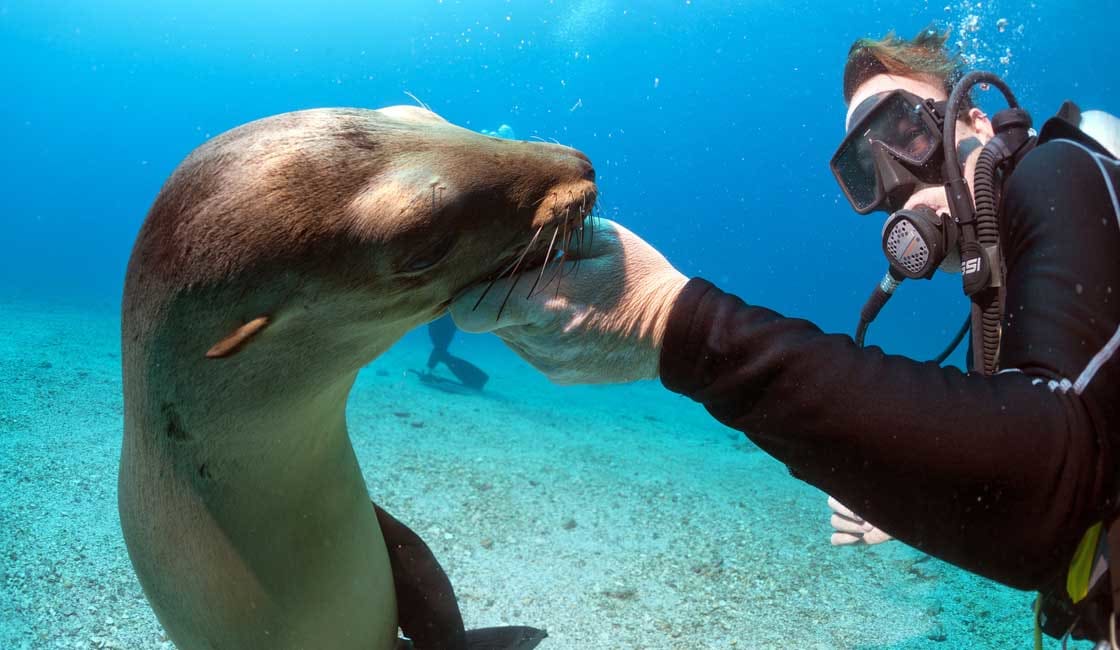
This is a great macro diving with an excellent chance of seeing sea horses, sea lions and eagle rays. Lunch will be served while transiting to Santa Cruz (3 hours). Travel by bus to the Santa Cruz Highlands to visit the giant tortoises in their natural habitat. Transfer to the town of Puerto Ayora. Dinner on your own in Puerto Ayora. Return to the Tiburon Explorer at 8:30pm.

Saturday: Baltra
Depart the vessel by 9 am. Transfer to the airport.